A kaftan (also spelled caftan) is a loose, usually long garment that slips over the head or opens at the front. Encyclopaedia Britannica describes the caftan as a full-length garment of ancient Mesopotamian origin, later worn throughout the Middle East. Museum collections, such as the Victoria and Albert Museum, hold richly woven silk kaftans from the Ottoman court. Today, the word covers a wide family of relaxed garments, from simple cotton beach cover-ups to embroidered evening wear.
This guide is general information written in our own words. We don't recommend particular shops, labels or products, and we never quote prices: they vary widely, so compare for yourself.
Classic straight kaftan
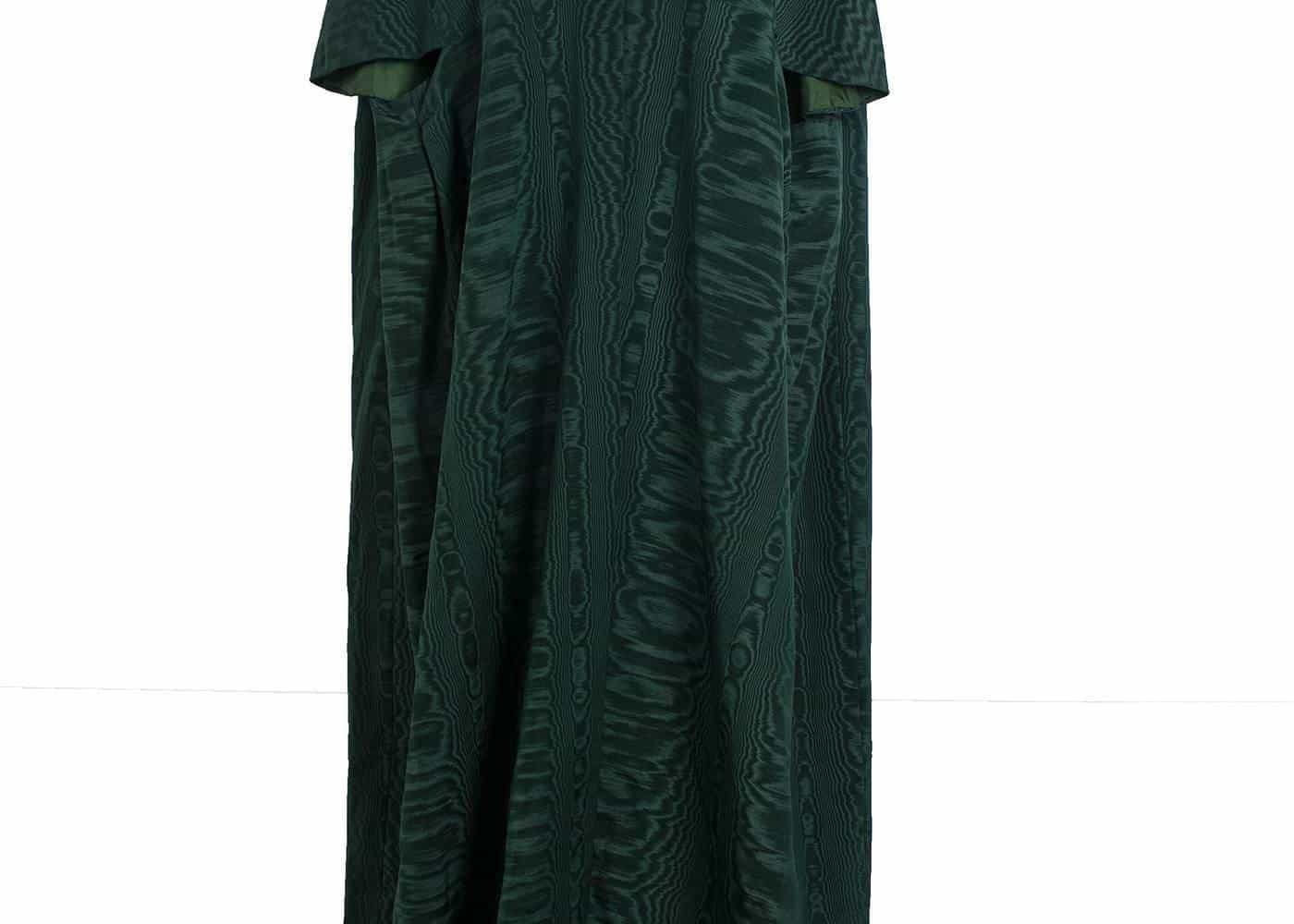
The classic shape is a long, straight-cut garment with set-in or wide sleeves and a simple neckline. It falls from the shoulders without a defined waist. This style is easy to wear and suits many body shapes because it skims rather than clings. It is often seen in cotton, linen and rayon for everyday wear.
Butterfly or batwing kaftan
A butterfly kaftan is cut from a wide piece of fabric, with the sides stitched partway to create an opening for the arms. When you lift your arms, the fabric drapes like wings. Butterfly kaftans are popular as resort and lounge wear. They can feel very roomy, so some have an internal tie or drawstring that lets you shape the waist.
Tunic and short kaftan
Shorter kaftans, sometimes called kaftan tops or tunic kaftans, finish around the hip or thigh. They pair well with pants, shorts or swimwear, and are practical for everyday wear and travel.
Wrap and open-front kaftans
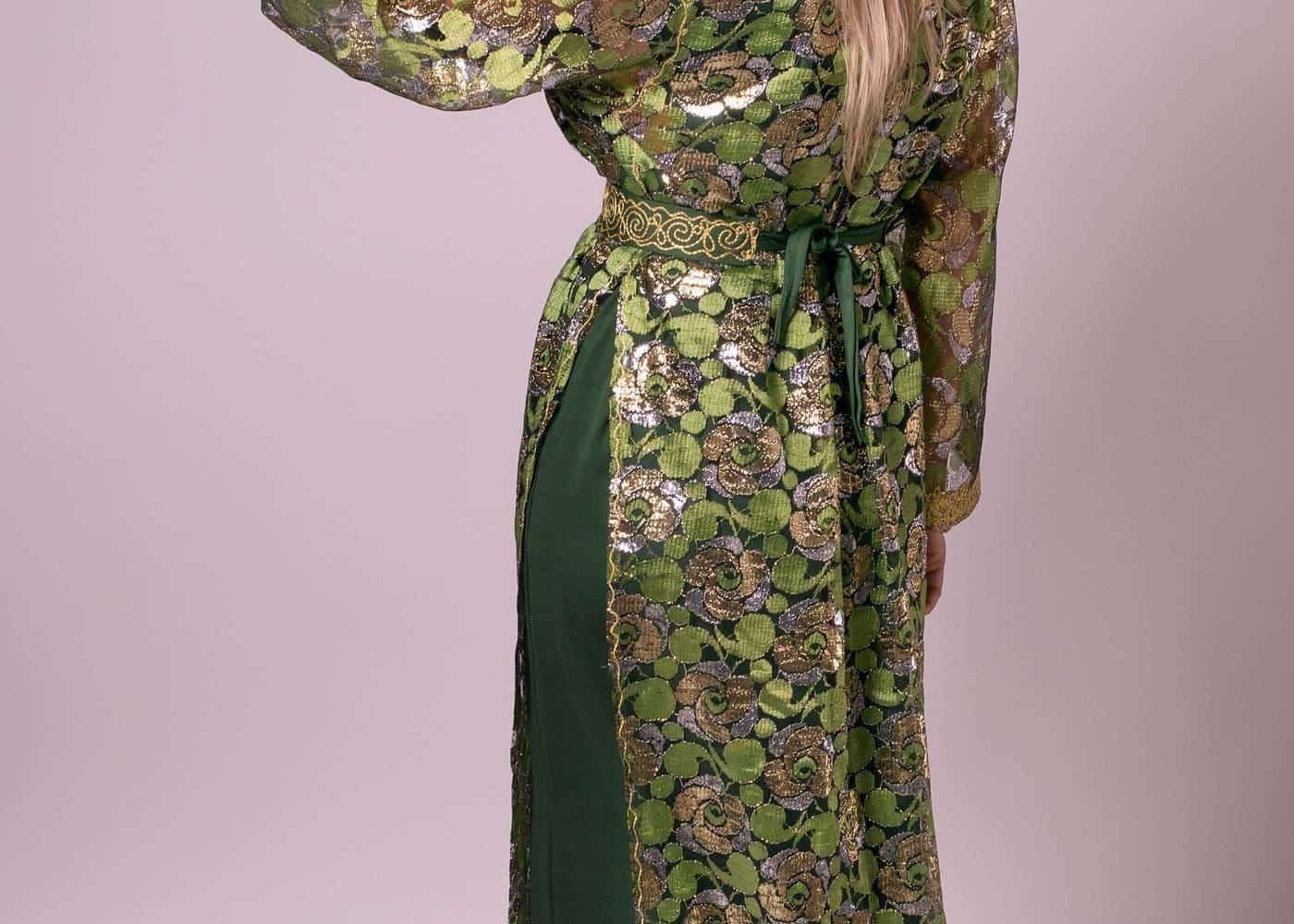
Some kaftans open at the front like a robe and are worn over other clothes, belted or loose. These are versatile layering pieces and can double as a light cover-up on cooler evenings.
Belted and tie-waist kaftans
Many modern kaftans include a tie, drawstring or elastic at the waist. These give more shape and can make a long kaftan look more polished. A separate belt does the same job and lets you change the look.
Lengths
- Mini or short: hip to mid-thigh, often worn as a top or beach cover-up.
- Knee: practical for warm weather and walking on sand.
- Midi: between knee and ankle, versatile for day and evening.
- Maxi: ankle or floor length, dramatic and elegant.
If you're shorter, a maxi kaftan with a defined waist or a V-neck can help balance the length. If you're taller, check the length measurement, since some maxi styles finish above the ankle.
Necklines
Common necklines include V-necks, keyhole necks (a small opening at the front with a tie or button), round necks, square necks, boat necks and embellished yokes. A V or keyhole neckline is easy to slip on and elongates the neck. Embellished yokes, with embroidery, beading or contrast fabric, add interest at the top.
Sleeves
Kaftans may have long wide sleeves, three-quarter sleeves, short or cap sleeves, or the open sides of a butterfly cut. Wide sleeves catch the breeze, which is pleasant in hot weather, but can catch on things in the kitchen or at the barbecue.
Embellishments and trims
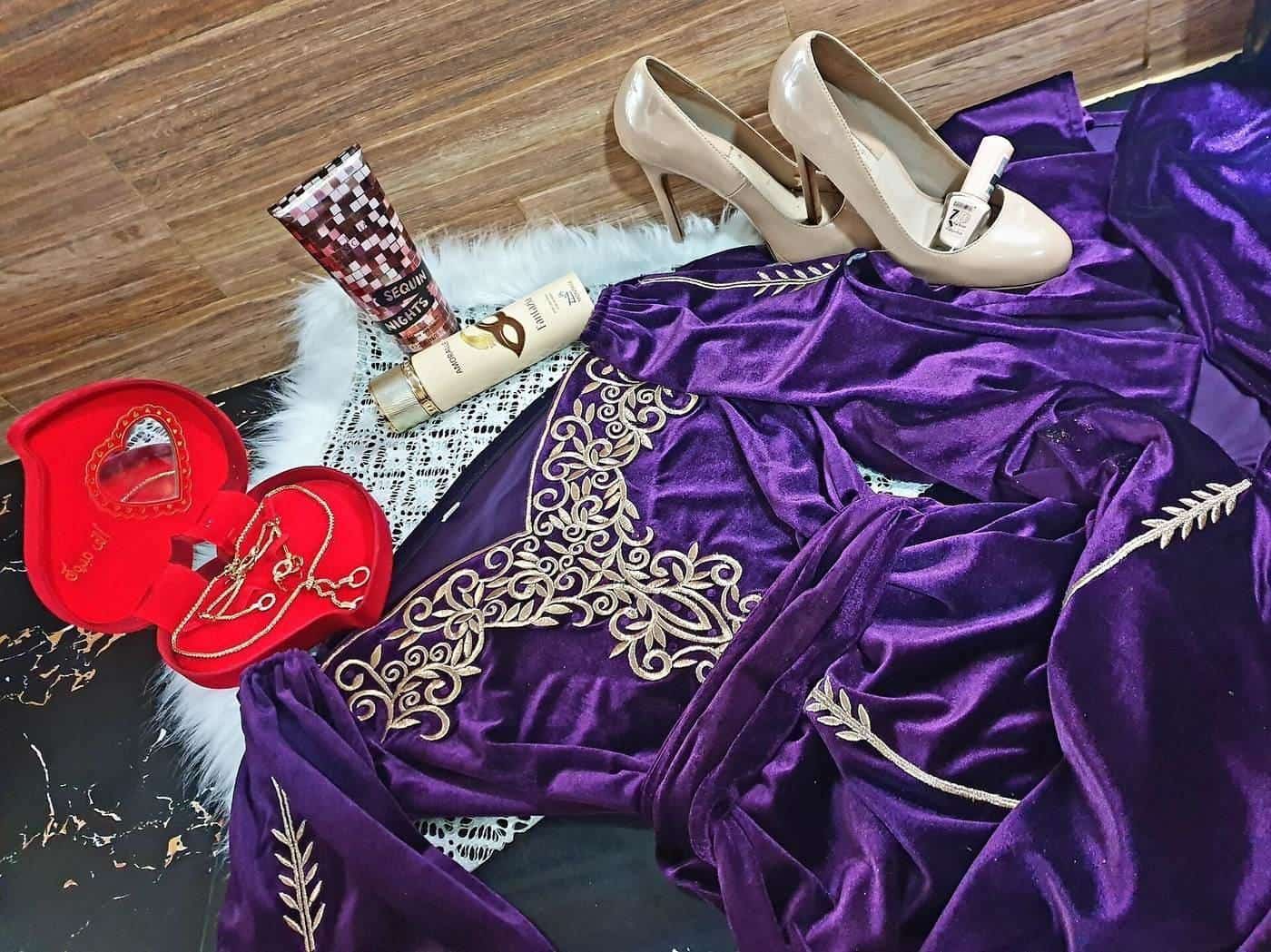
Embroidery, tassels, pom-poms, lace inserts, beading and sequins all appear on kaftans. They add beauty but often change how the garment should be washed. Always check the care label before you buy, particularly for beaded or sequinned pieces.
Cultural context
Kaftans and similar long robes have long histories in North Africa, the Middle East, Central Asia and beyond, often with specific regional names, shapes and meanings. Many people enjoy learning about these traditions. When buying traditional garments, it's worth learning a little about where the style comes from and buying from makers who describe their work honestly.
Kaftan, abaya, jalabiya and other robes
Many long, loose garments around the world look similar to a kaftan but have their own names, histories and conventions. Examples include the jalabiya or djellaba in parts of North Africa and the Middle East, and the abaya, an outer robe worn by some women. Shapes, fabrics and how they are worn differ between regions and communities. If you're buying a traditional garment, the seller's description and a little reading can help you understand what you're buying and how it is usually worn.
Choosing a shape for your lifestyle
Think about where you'll wear a kaftan most. For the beach, a short or knee-length style in a light fabric is practical. For lounging at home, a roomy butterfly cut in soft cotton feels relaxed. For dinners and events, a maxi with a defined neckline and a belt looks polished. For travel, a crease-resistant midi with sleeves covers many situations. Starting from your lifestyle rather than a trend helps you choose a kaftan you'll actually wear.
Kaftans through the decades
Kaftans have moved in and out of Western fashion many times, often borrowing from older traditions. Long, flowing kaftans in bold prints became widely associated with relaxed, bohemian dressing in the late twentieth century, and they keep returning in resort and holiday collections. Vintage pieces from earlier decades can be found in op shops and vintage stores, and many people enjoy mixing them with modern accessories.
Use the kaftan finder
Our free kaftan finder suggests fabric, length, neckline and care based on the occasion, your climate and how much care you're happy to give a garment. It also flags when to look for a UPF rating if you'll be in strong sun. It runs entirely in your browser, and nothing you choose is sent anywhere. Use it as a starting point before you shop, and always check the product's own details and care label.
Where our information comes from
Factual statements in our guides are based on official and expert sources, including ACCC Product Safety and the Federal Register of Legislation for care labelling, ARPANSA for sun protective clothing, the ACCC for consumer rights, Scamwatch for online shopping safety, and museum and encyclopaedia sources for history. We list them at the end of each page. Styling and care tips are general and written in our own words. Rules change, so check the sources before relying on any detail.
A good kaftan in one sentence
A good kaftan suits where you'll wear it, is made from a fabric that matches your climate and care routine, hangs well at your height, and makes you feel comfortable and like yourself. Everything else in this guide supports those few goals.
Questions to ask before you buy
Before buying any kaftan, ask yourself: where will I wear it, how often, what will I wear with it, how will I wash it, and does it fit my height and shape? Answering honestly helps avoid kaftans that sit unworn in the wardrobe. It also makes it easier to compare options and to spend wisely, whatever your budget.
Understanding care symbols
The five basic care symbols are a washtub for washing, a triangle for bleaching, a square for drying, an iron for ironing and a circle for professional care such as dry cleaning. Dots usually show temperature or heat, lines under a symbol suggest a gentler process, and a cross means "don't". ACCC Product Safety explains that Australian care labels may use English words, these symbols, or both. Learning them takes a few minutes and protects your favourite pieces.
Comfort in Australian summers
Much of Australia has long, hot summers, and humidity in the north can be high. Loose garments let air move around the body, which many people find more comfortable in the heat than fitted clothes. Breathable fabrics such as cotton, linen and rayon tend to feel cooler than heavy synthetics. In hot, humid places, quick-drying fabrics and loose weaves help. Wherever you are, sun protection still matters when you're outdoors.
Key points
- Kaftans range from simple beach cover-ups to embroidered evening wear.
- Butterfly kaftans are cut from a wide rectangle and drape like wings.
- Ties, belts and V-necks add shape to long styles.
- Embellishments often change care needs; check the label.
Frequently asked questions
What is the difference between a kaftan and a tunic?
A tunic is usually shorter and more fitted. Kaftans are generally loose and long, though short kaftan tops exist.
What is a butterfly kaftan?
A kaftan cut from a wide rectangle of fabric, so the sides form flowing, wing-like sleeves when you lift your arms.
Are kaftans one size fits all?
Many are generously cut, but sizes, lengths and shoulder widths still vary. Check measurements.
Can men wear kaftans?
Yes. Historically the caftan was often a man's garment, and men's styles are common in many cultures.
Sources and further reading
Facts on this page were checked against these primary and official sources. Conditions change — confirm before you travel or buy.
- Caftan — Encyclopaedia Britannica
- Kaftan (Ottoman, 16th century) — Victoria and Albert Museum