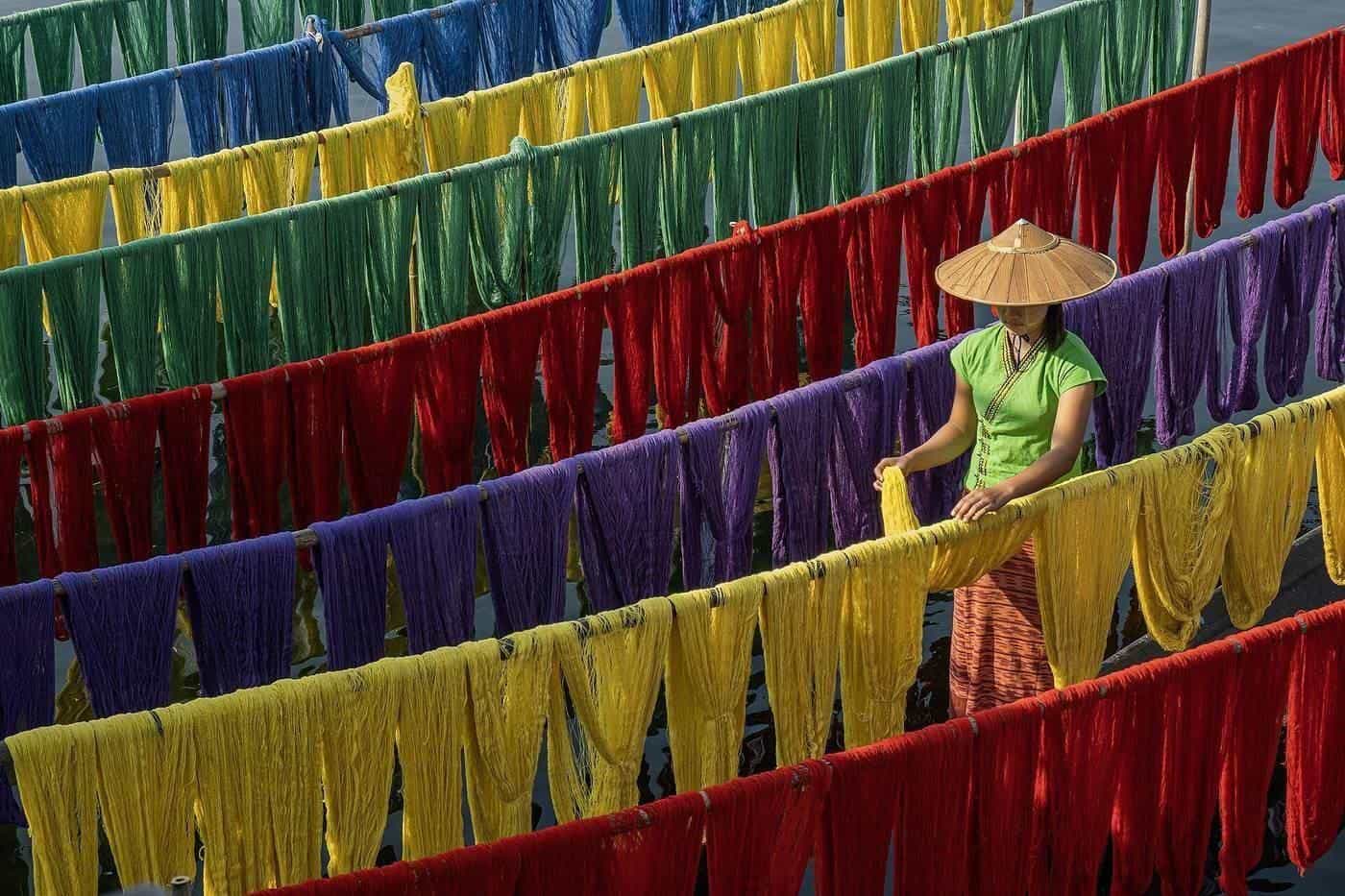
Fabric decides how a kaftan feels, drapes, breathes and washes. Care decides how long it lasts. These guides compare the common fabrics, explain how to wash and store everyday and delicate kaftans, and set out what to look for if you want sun protection.
The guides in this section
- Kaftan fabrics explained Cotton, linen, silk, rayon, polyester and blends compared.
- Caring for silk and delicate kaftans Hand washing, drying, ironing and storing silk and beaded pieces.
- Washing cotton, linen and rayon Care symbols, temperatures, gentle cycles and drying.
- Sun protection and kaftans UPF ratings, weave, colour and coverage.
Care labels are required
ACCC Product Safety explains that clothing sold in Australia must carry care instructions under a mandatory standard, the Consumer Goods (Care Labelling) Information Standard 2023. Suppliers can use English words, the five international care symbols, or both. The standard is based on parts of the Australian/New Zealand care labelling standard and the international care symbol standard.
The five care symbols
- Washtub: washing, with dots or numbers for temperature and a hand for hand wash.
- Triangle: bleaching.
- Square: drying, with a circle inside for tumble drying.
- Iron: ironing, with dots for heat.
- Circle: professional care such as dry cleaning.
A cross through a symbol means "don't".
Fabric at a glance
Cotton and linen are breathable and generally easy to wash, although linen creases easily. Silk has beautiful drape and lustre but usually needs hand washing or dry cleaning. Rayon (viscose) drapes like silk and takes dye well, but is weaker when wet and can shrink with heat. Polyester resists creasing and dries quickly but may feel warmer in humid weather.
Everyday habits that help
Wash only when needed, use cool water where possible, wash bright prints separately at first, dry in the shade and store clothes clean. Use a mesh bag for tassels and trims. Treat stains promptly by blotting rather than rubbing.
Sun protection
ARPANSA explains that the UPF rating shows how much ultraviolet radiation a fabric blocks, and that UPF 50+ is classed as excellent protection under the Australian/New Zealand standard. Weave, colour, fibre and condition all affect protection, and sheer fabrics usually let more UV through. Look for a rated garment if sun protection matters, and keep using shade, a hat, sunglasses and sunscreen.
When to call a professional
For silk stains, antique pieces and garments labelled dry clean only, a professional cleaner is the safest choice. Tell them what caused a stain if you know.
Storing kaftans between seasons
Before winter, wash or clean kaftans as the label directs and make sure they're completely dry. Store them in a cool, dry, dark place, in breathable cotton bags rather than plastic. Hang lightweight pieces on padded hangers and fold heavily beaded ones flat with acid-free tissue.
Choosing a fabric for how you live
Before you buy, think honestly about your laundry habits. If you want to wash everything together in the machine, look for cotton, linen or polyester kaftans whose labels allow it. If you don't mind a little hand washing, rayon and blends open up more drapey, printed options. If you're happy to hand wash carefully or pay for dry cleaning, silk and embellished pieces become practical. Matching fabric to your routine is the simplest way to keep a kaftan looking good for years.
Colour fastness and new garments
Brightly dyed and hand-printed fabrics can release dye in the first few washes. Wash new pieces separately, in cool water, until the rinse water runs clear. If you're unsure, test a hidden seam with a damp white cloth before the first wash. Following the label's temperature guidance also helps prevent colours running onto other clothes.
Small repairs
A loose bead, a dropped hem or a small seam split is easy to fix early and much harder once it spreads. Keep a needle, matching thread and any spare beads that came with a garment. A local tailor or alterations service can handle bigger repairs, such as replacing a zip or re-hemming a bordered print.
Five habits for kaftans you will love
- Start with where you will wear it, then choose shape and fabric.
- Match fabric to your climate and to the care you are happy to give.
- Check the measurements, especially length, not just the size label.
- Read the care label before you buy and before you wash.
- Look for a UPF rating if sun protection matters.
About these guides
Kaftan Dresses is an independent information site about choosing, styling and caring for kaftans in Australia. We aren't a shop, fashion label, designer or retailer, and we don't recommend particular businesses. Our guides are general information written in our own words, with official and expert sources listed on each page. We never invent prices, statistics, quotes or reviews.
How we keep these guides current
We review each guide against its sources and show the date it was last checked. Standards and consumer rules change from time to time. If you notice something out of date, please tell us through our contact page, and we'll check and correct it.
Use the kaftan finder
Our free kaftan finder suggests fabric, length, neckline and care based on the occasion, your climate and how much care you want to give. It runs entirely in your browser, and nothing you choose is sent anywhere.
Guides in this section
Fabrics & care
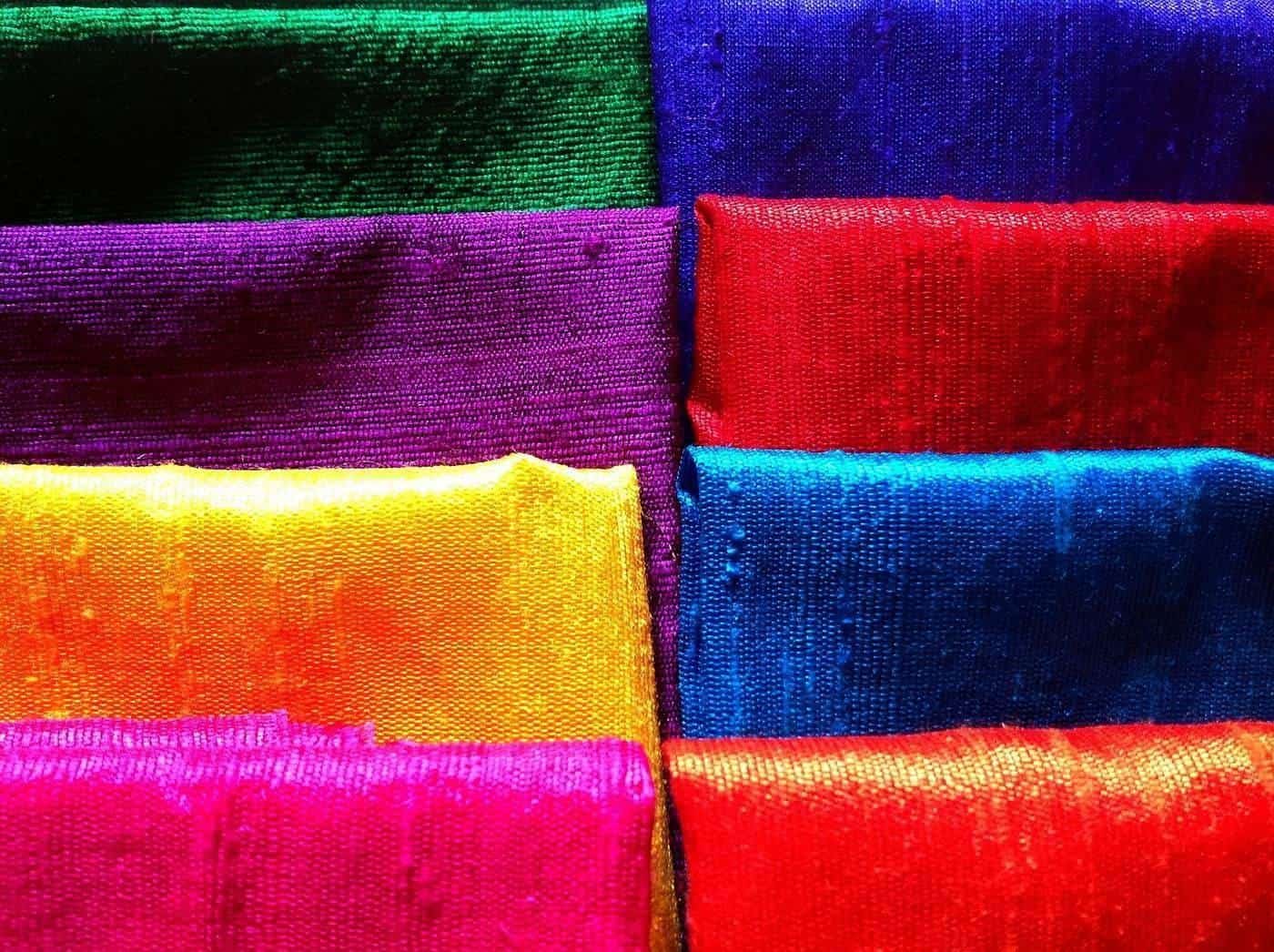
Kaftan fabrics explained
Compare common kaftan fabrics: cotton, linen, silk, rayon (viscose), polyester and blends, with feel, breathability, creasing and care.
Read · 6 min
Fabrics & care
Caring for silk and delicate kaftans
How to wash, dry, iron and store silk, chiffon, beaded and embroidered kaftans, using the care label and gentle techniques.
Read · 6 min
Fabrics & care
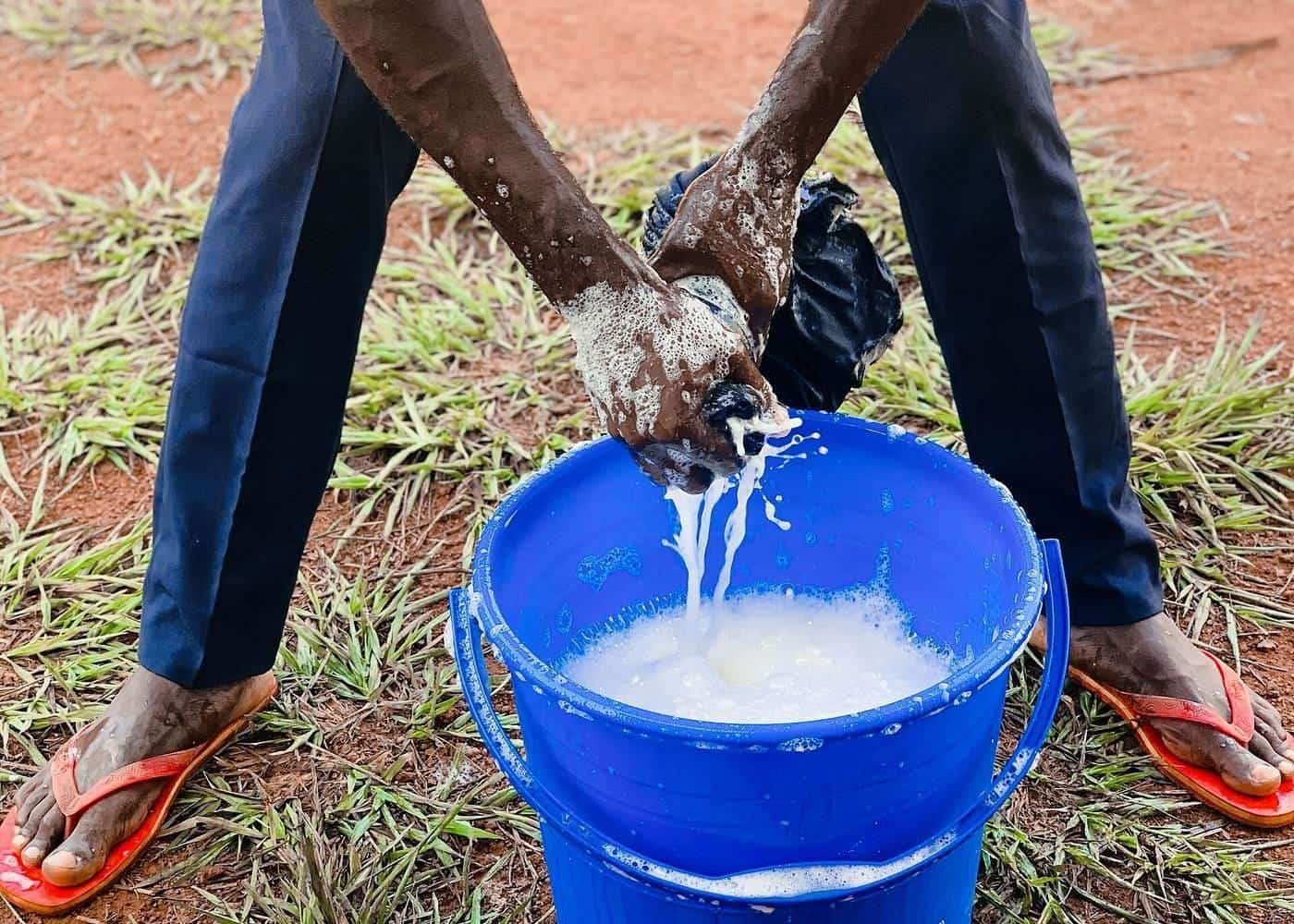
Washing cotton, linen and rayon kaftans
How to wash everyday cotton, linen and rayon (viscose) kaftans: reading care symbols, temperatures, gentle cycles, drying and preventing shrinkage.
Read · 6 min

Fabrics & care
Sun protection and kaftans
How much sun protection a kaftan gives: UPF ratings under the Australian standard, fabric weave and colour, coverage, and other sun-safe habits.
Read · 6 min
Frequently asked questions
What do care symbols mean?
The five basic symbols cover washing, bleaching, drying, ironing and professional care. A cross means do not.
Must clothing have care labels in Australia?
Yes. ACCC Product Safety explains that a mandatory standard requires care instructions on clothing.
Which fabrics are easiest to care for?
Many cotton, linen and polyester kaftans are machine washable. Silk and embellished pieces usually need more care.
Do kaftans block UV?
It depends on the fabric. Look for a UPF rating under the Australian/New Zealand standard.
Sources and further reading
Facts on this page were checked against these primary and official sources. Conditions change — confirm before you travel or buy.
- Care labelling for clothing and textiles mandatory standard — ACCC Product Safety Australia
- Consumer Goods (Care Labelling) Information Standard 2023 — Federal Register of Legislation
- Australian sun protective clothing — ARPANSA
- Sun protection using clothing — ARPANSA