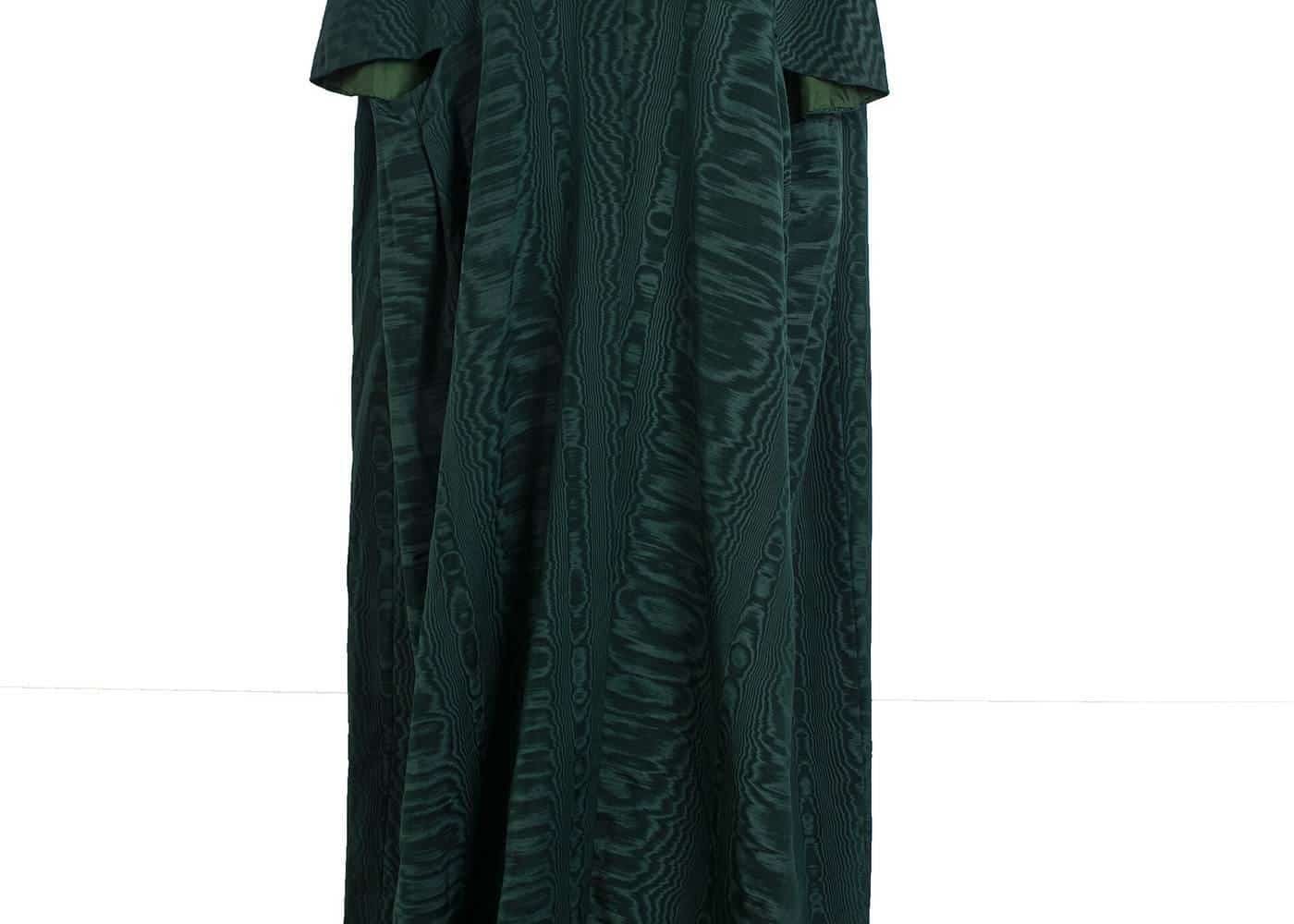
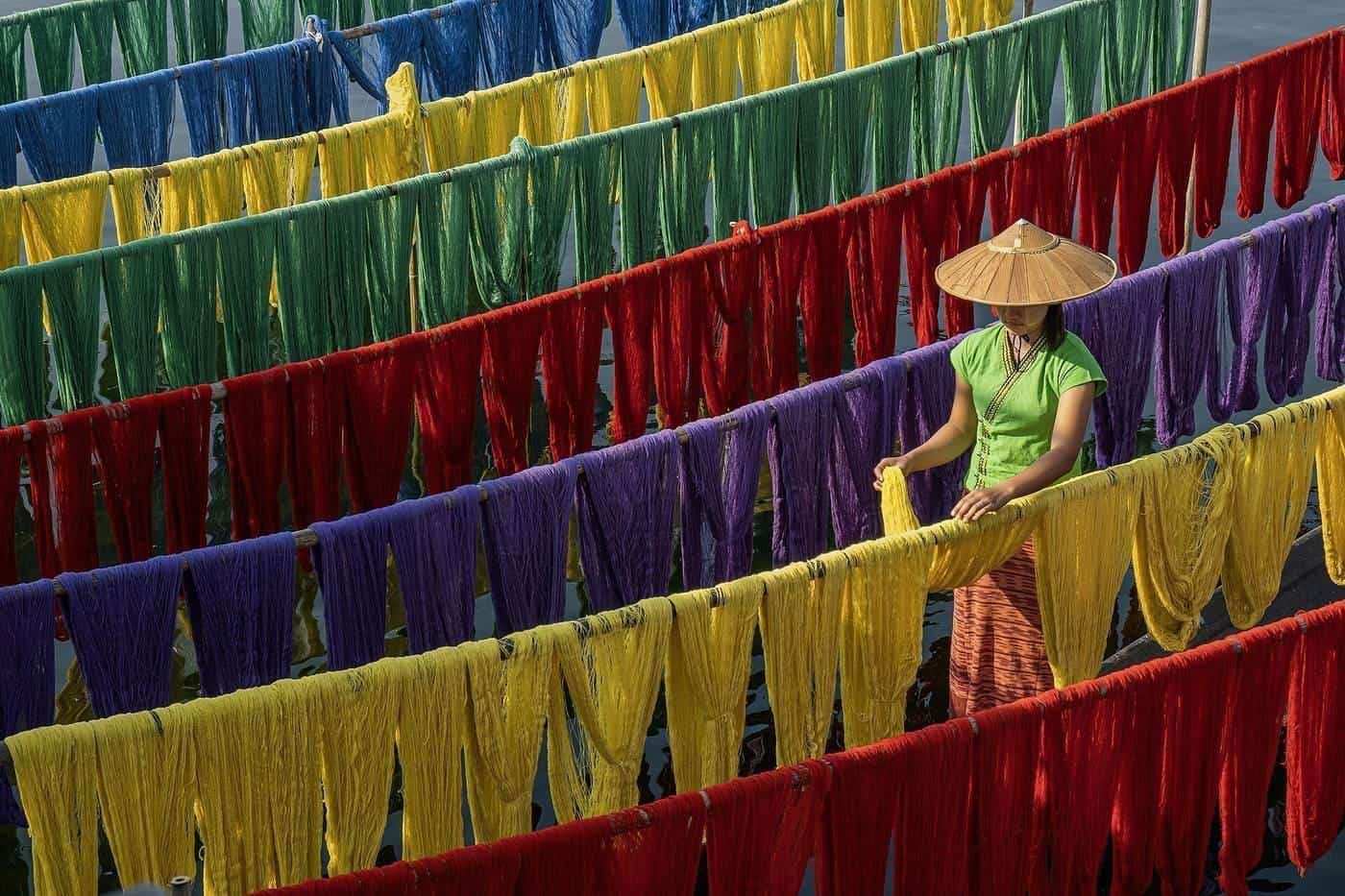
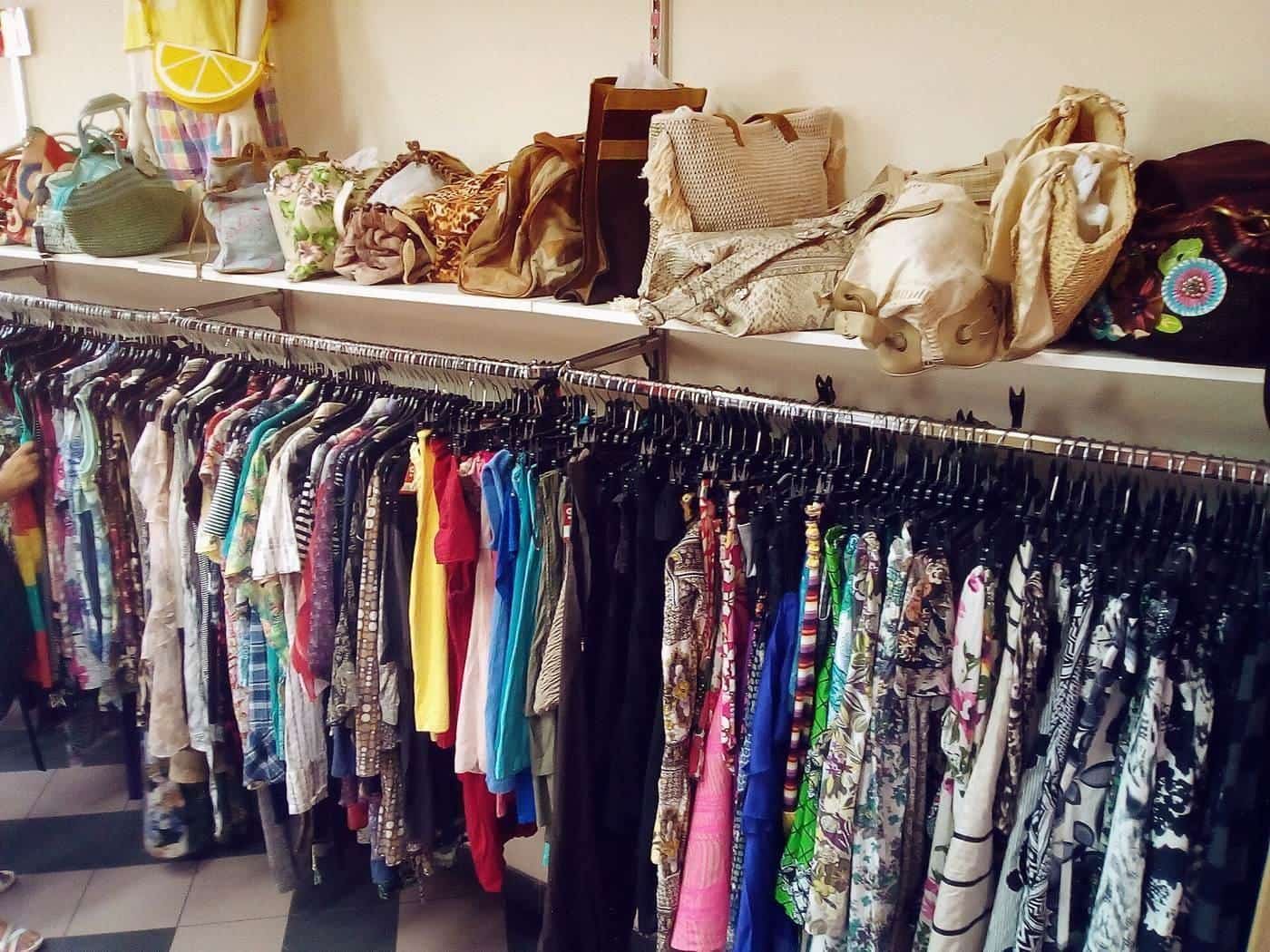
Kaftans are one of the most relaxed and versatile garments you can own. Thrown over swimwear at the beach, worn with sandals to lunch, or chosen in silk for a summer wedding, a good kaftan is comfortable, flattering and easy to wear in Australia's warm climate. Choosing one well, and looking after it, comes down to a few practical decisions: shape, fabric, fit, care and where you'll wear it.
Kaftan Dresses is an independent guide to those decisions. We explain the essentials in plain language, link to official and expert sources, and offer a free kaftan finder. We're not a shop or label, and we don't sell or recommend clothing.
Start here
- Styles Kaftan shapes, beach and resort wear, occasions and styling.
- Fabrics & care Fabrics compared, washing, silk care and sun protection.
- Buying Size and fit, buying online, second-hand and packing for travel.
What is a kaftan?
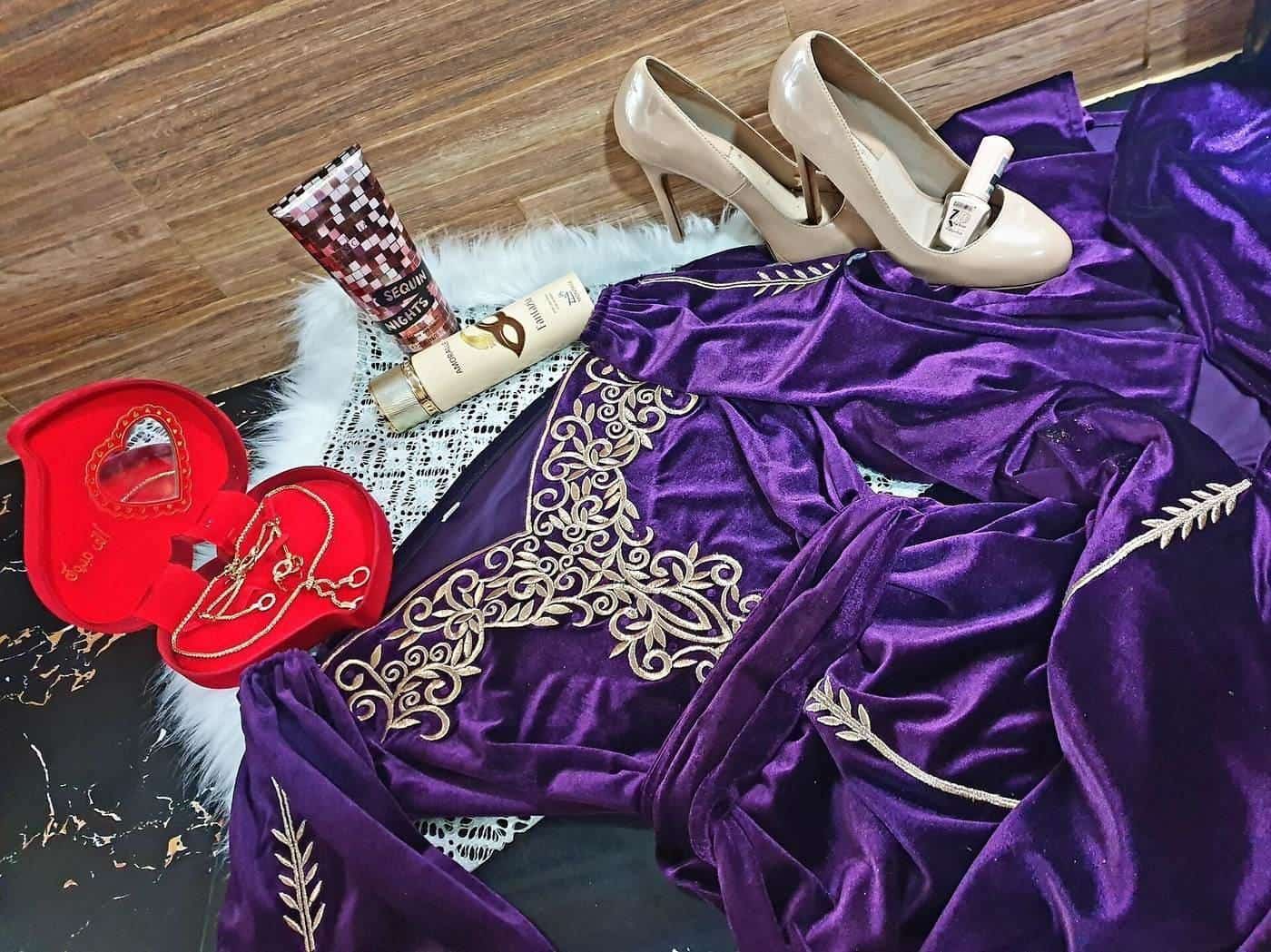
A kaftan, also spelled caftan, is a loose, usually long garment that slips over the head or opens at the front. Encyclopaedia Britannica describes the caftan as a full-length garment of ancient Mesopotamian origin, later worn throughout the Middle East. Today the word covers a whole family of relaxed garments, from short cotton cover-ups to embroidered evening gowns.
Popular guides
- Types of kaftans
- Kaftans for the beach and resort
- Kaftan fabrics explained
- Caring for silk and delicate kaftans
- Choosing kaftan size and fit
- Buying kaftans online
Choosing the right fabric
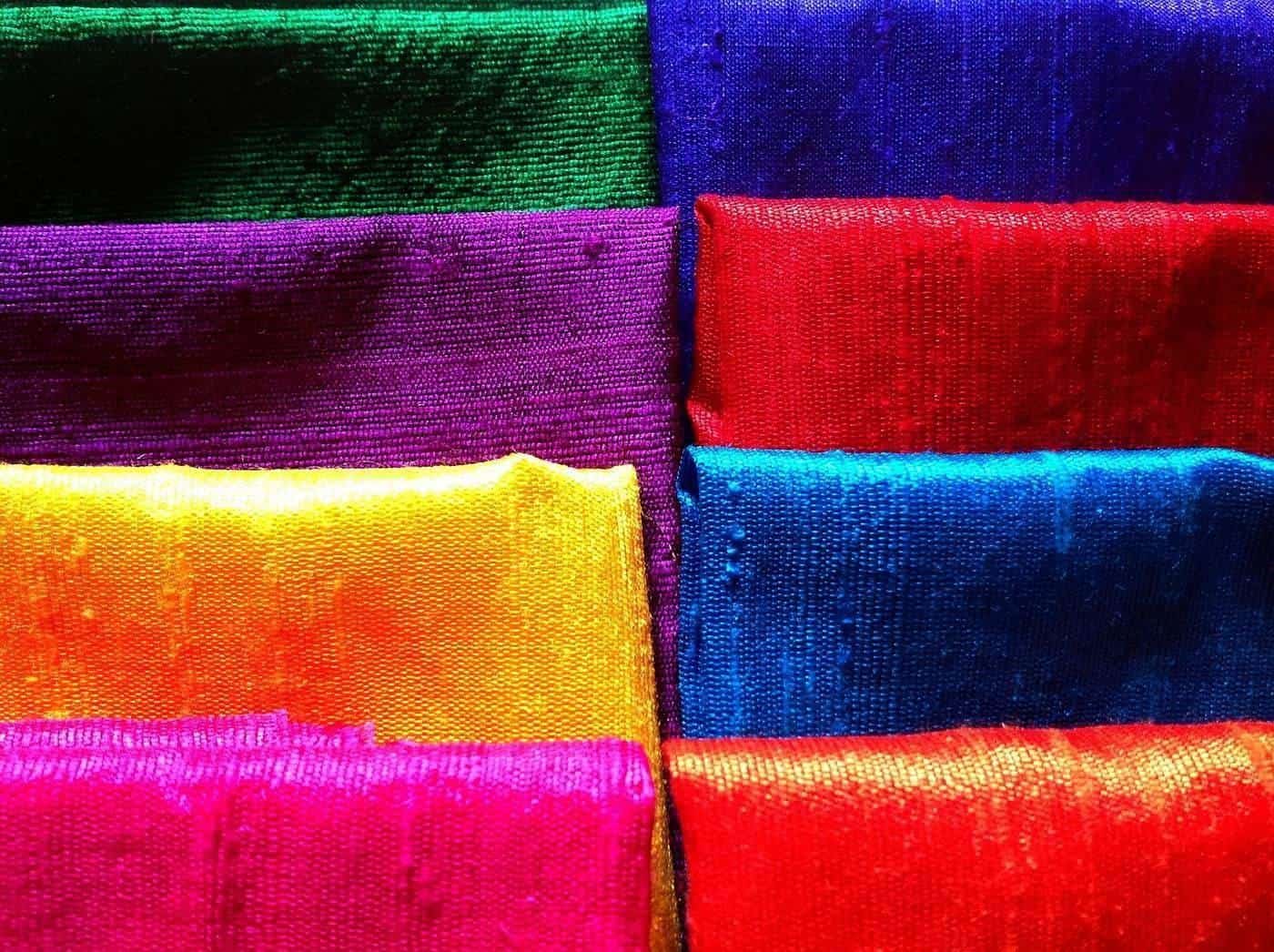
Fabric decides how a kaftan feels and how you'll care for it. Cotton and linen are breathable and generally easy to wash. Silk drapes beautifully but usually needs gentle hand washing or dry cleaning. Rayon (viscose) has a silky drape and takes bright prints well, but is weaker when wet. Polyester resists creasing and dries quickly, which suits travel. Match the fabric to your climate and to the care you're happy to give.
Reading the care label
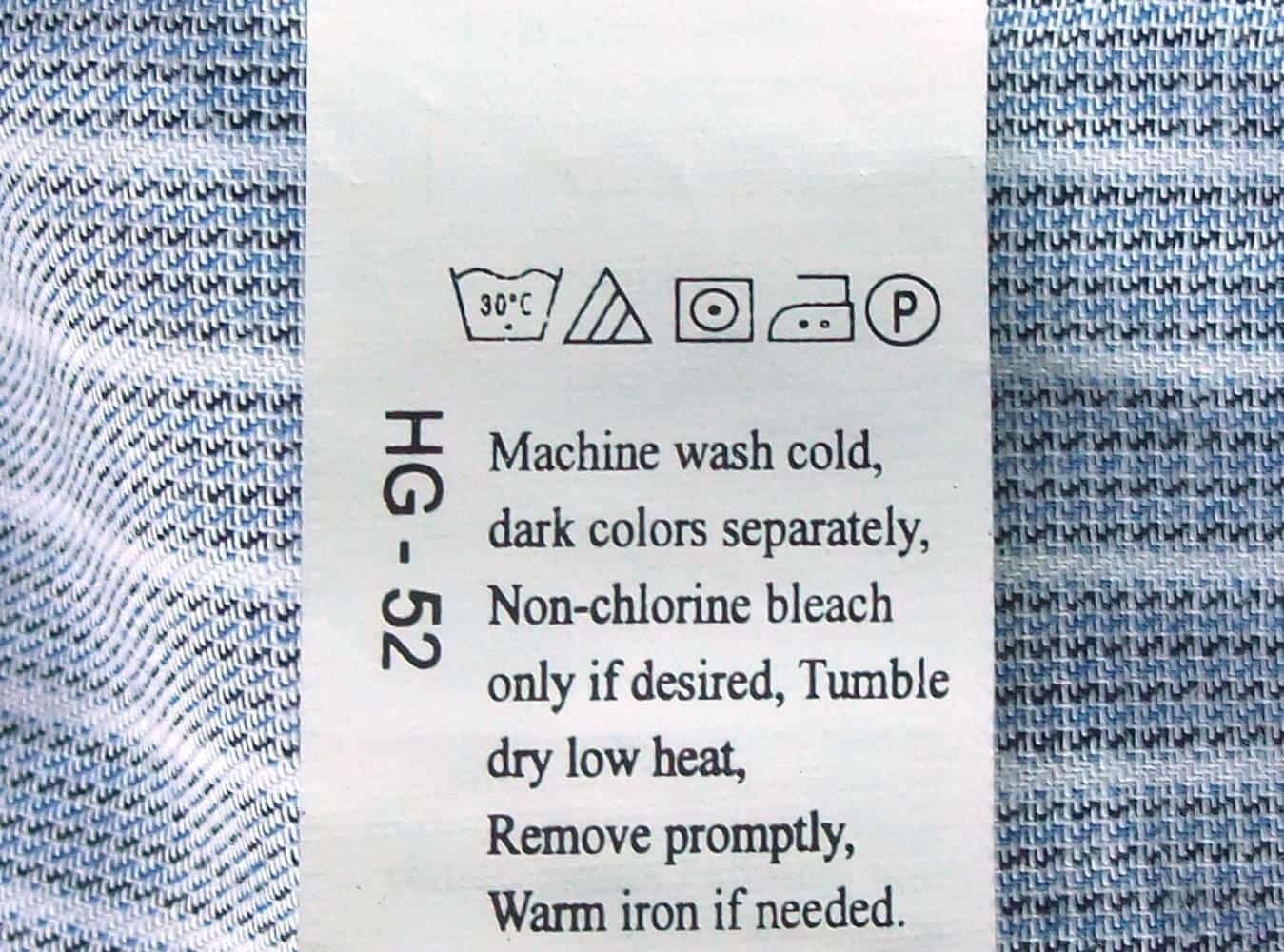
ACCC Product Safety explains that clothing sold in Australia must carry care instructions under a mandatory standard, using English words, the five international care symbols, or both. The symbols cover washing, bleaching, drying, ironing and professional care, and a cross means "don't". Reading the label before you buy tells you whether a kaftan will fit your routine.
Sun protection
A long kaftan can cover a lot of skin, but light, sheer fabrics often let UV through. ARPANSA explains that UPF ratings show how much ultraviolet radiation a fabric blocks, and that UPF 50+ is classed as excellent protection under the Australian/New Zealand standard. If sun protection matters, look for a rated garment and keep using shade, a hat, sunglasses and sunscreen.
Getting the fit right
"One size" doesn't mean one fit. Check length, width and arm openings against your own measurements, especially if you're petite or tall. A belt or tie adds shape to loose styles.
Shopping with confidence
The ACCC explains that a business doesn't have to refund a change of mind unless its policy says so, but consumer guarantees apply if goods are faulty or don't match their description, including sale items. Scamwatch warns about fake online stores offering prices that seem too good to be true. Read the details, check the policy and keep records.
Use the kaftan finder
Our free kaftan finder suggests fabric, length, neckline and care based on the occasion, your climate and how much care you want to give. It runs entirely in your browser, and nothing you choose is sent anywhere.
About this site
This web address was once home to an online kaftan boutique, which later closed. Kaftan Dresses is a new, independent site with original content and no connection to any previous operator. We never invent prices, statistics, quotes or reviews.