Kaftans are known for their relaxed fit, and many are sold as one size. Even so, the way a kaftan hangs depends on its length, width and cut relative to your body. A little measuring before you buy, especially online, can save you a return.
This guide is general information written in our own words. We don't recommend particular shops, labels or products, and we never quote prices: they vary widely, so compare for yourself.
Key measurements
Use a soft tape measure and compare your measurements with the garment's size chart or product measurements:
- Length: from the highest point of the shoulder down to where you want the hem to fall.
- Bust or chest: around the fullest part.
- Hips: around the fullest part.
- Shoulder width: across the back from shoulder point to shoulder point, useful for styles with set-in sleeves.
- Arm opening: for butterfly kaftans, how far down the side the opening goes.
Garment measurements are usually taken flat, across the front. Double a flat-width measurement to get the full circumference.
Length and height
A maxi kaftan designed for a model of average height may drag on the floor if you're petite, or finish at mid-calf if you're tall. Check the length measurement against your own shoulder-to-floor length. Petite shoppers may prefer midi styles or plan to have the hem shortened. Taller shoppers should look for listed lengths rather than relying on the word "maxi".
Width and drape
A kaftan that's too narrow pulls across the hips or bust and loses its flowing shape. One that's far too wide can overwhelm a small frame. Belts and ties help, but starting with the right width gives the best drape.
Necklines and openings
Check whether a kaftan slips over the head easily, especially with narrow or buttoned necklines. For butterfly styles, check that the side openings aren't so deep that they show more than you'd like.
Plus-size kaftans
Kaftans are popular in a wide range of sizes because of their easy fit. Look for brands that give detailed measurements across sizes rather than a single "one size" label. Darts, side ties and shaped seams can give a more tailored look.
Maternity
Many people enjoy kaftans during pregnancy for comfort and room to grow. As your bump grows, the front hem may rise, so a longer length helps. Ties at the back or sides allow adjustment. Front-opening or keyhole styles can be practical for breastfeeding.
Alterations
A tailor can shorten hems, take in sides or add a tie. Shortening a hem with border prints or embroidery can be tricky, so ask before you buy.
Trying on at home
When buying online, check the return policy before you order. The ACCC explains that a business does not have to give a refund if you simply change your mind, unless its policy says it will. Try kaftans on carefully, with tags attached, in case you need to return them under the store's policy.
Reading size charts
Size charts can refer to body measurements or garment measurements. Body measurement charts tell you which size fits a body of a given size; garment measurements tell you the actual size of the kaftan. For loose styles, garment measurements are often more useful. If a chart isn't clear, ask the seller.
Sleeves and arm openings
Wide sleeves and deep side openings are part of the kaftan look, but check that they suit how you'll wear it. Very deep openings may show a bra or swimwear; narrow sleeves may feel restrictive in heat.
Fit for comfort
A kaftan should let you sit, walk and lift your arms freely. Try these movements when you try one on.
Use the kaftan finder
Our free kaftan finder suggests fabric, length, neckline and care based on the occasion, your climate and how much care you're happy to give a garment. It also flags when to look for a UPF rating if you'll be in strong sun. It runs entirely in your browser, and nothing you choose is sent anywhere. Use it as a starting point before you shop, and always check the product's own details and care label.
Where our information comes from
Factual statements in our guides are based on official and expert sources, including ACCC Product Safety and the Federal Register of Legislation for care labelling, ARPANSA for sun protective clothing, the ACCC for consumer rights, Scamwatch for online shopping safety, and museum and encyclopaedia sources for history. We list them at the end of each page. Styling and care tips are general and written in our own words. Rules change, so check the sources before relying on any detail.
A good kaftan in one sentence
A good kaftan suits where you'll wear it, is made from a fabric that matches your climate and care routine, hangs well at your height, and makes you feel comfortable and like yourself. Everything else in this guide supports those few goals.
Questions to ask before you buy
Before buying any kaftan, ask yourself: where will I wear it, how often, what will I wear with it, how will I wash it, and does it fit my height and shape? Answering honestly helps avoid kaftans that sit unworn in the wardrobe. It also makes it easier to compare options and to spend wisely, whatever your budget.
Understanding care symbols
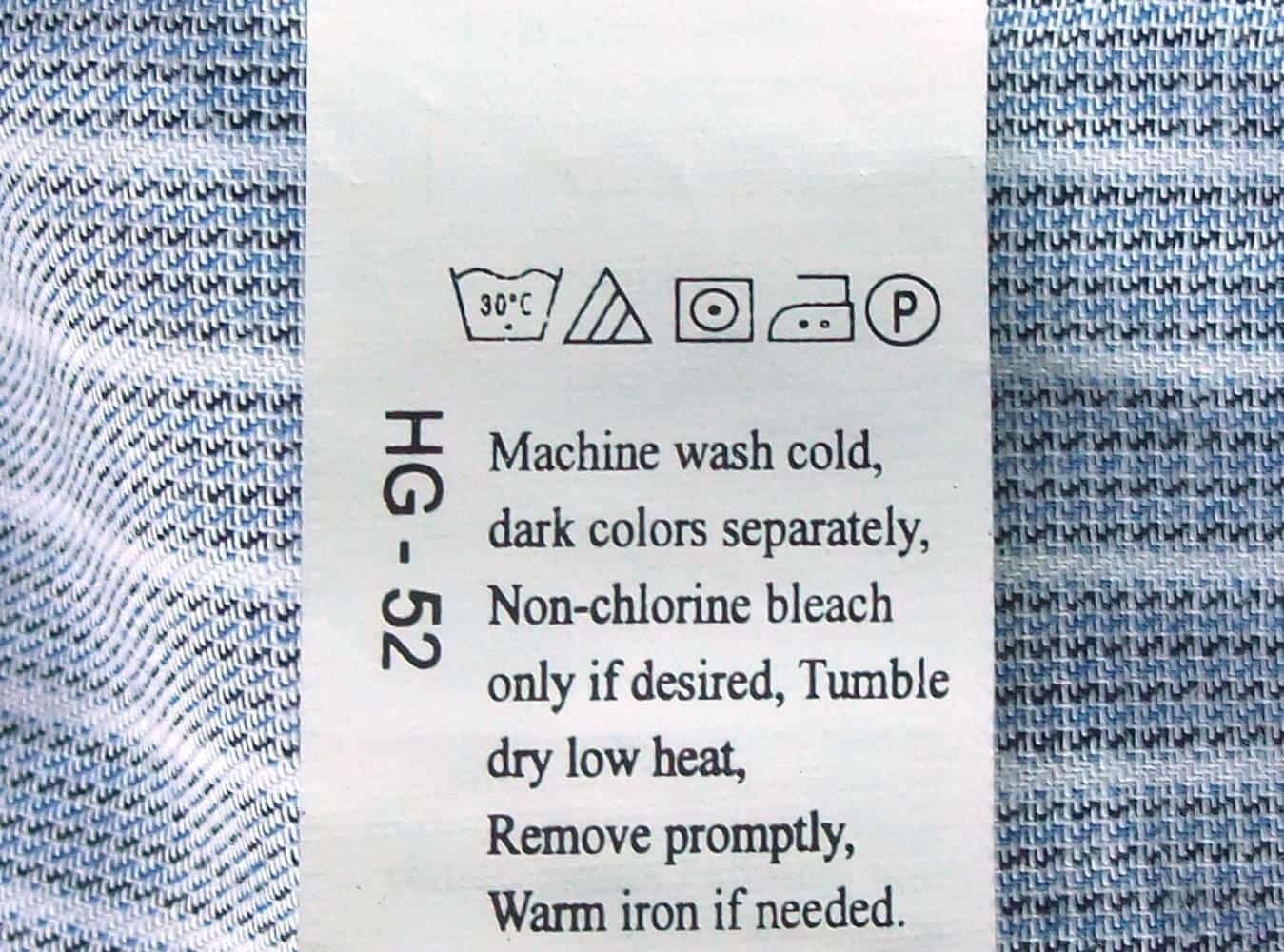
The five basic care symbols are a washtub for washing, a triangle for bleaching, a square for drying, an iron for ironing and a circle for professional care such as dry cleaning. Dots usually show temperature or heat, lines under a symbol suggest a gentler process, and a cross means "don't". ACCC Product Safety explains that Australian care labels may use English words, these symbols, or both. Learning them takes a few minutes and protects your favourite pieces.
Comfort in Australian summers
Much of Australia has long, hot summers, and humidity in the north can be high. Loose garments let air move around the body, which many people find more comfortable in the heat than fitted clothes. Breathable fabrics such as cotton, linen and rayon tend to feel cooler than heavy synthetics. In hot, humid places, quick-drying fabrics and loose weaves help. Wherever you are, sun protection still matters when you're outdoors.
Buying gifts
Kaftans make popular gifts because many styles fit a range of sizes. Even so, check the length and width measurements, choose a fabric that suits the recipient's climate and lifestyle, and keep the receipt. Remember that change-of-mind returns depend on the store's policy, so check it before you buy.
Keeping your kaftans organised
Store kaftans where you can see them, so you remember to wear them. Lightweight pieces hang well on slim or padded hangers; heavy, beaded pieces are better folded. Group them by occasion, such as beach, day and evening, so getting dressed is quick. At the end of summer, wash and store them properly so they're ready for next season.
Supporting makers
Many kaftans are made by small designers and artisans using traditional techniques such as block printing, embroidery and hand weaving. If you value these skills, look for sellers who explain who made a garment, where and how. Clear descriptions are a good sign of a seller who cares about their products.
A note on accessibility
Kaftans can be a comfortable choice for people with limited mobility, sensory sensitivities or medical devices, because they are loose and easy to put on. Front-opening styles, soft necklines, and fabrics without scratchy trims can make dressing easier. Check measurements carefully if you use a wheelchair, as long hems can catch in wheels.
When to replace a kaftan
Kaftans are usually retired when fabric wears thin, colours fade badly or seams can no longer be repaired. Thin, faded fabric also tends to block less sun. Before you throw one away, consider whether it could be mended, swapped or repurposed.
Key points
- Compare length, width and arm opening measurements with your own.
- Flat width measurements double to give circumference.
- Petite and tall shoppers should check listed lengths.
- Check the return policy before ordering online.
Frequently asked questions
Are kaftans one size fits all?
Many are labelled one size, but length, width and shoulder measurements still vary. Compare them with your own.
What measurements matter most?
Length from shoulder to hem, width across the chest or hips, and the size of the arm openings.
Can I wear a kaftan when pregnant?
Many people find loose kaftans comfortable during pregnancy. Check the length, as a growing bump raises the front hem.
What if I am petite?
Check the length measurement, choose midi lengths or defined waists, and consider having a hem shortened.
Sources and further reading
Facts on this page were checked against these primary and official sources. Conditions change — confirm before you travel or buy.
- Repair, replace, refund, cancel — ACCC
- Care labelling for clothing and textiles mandatory standard — ACCC Product Safety Australia