The same kaftan pattern can feel completely different in cotton, silk or polyester. Fabric affects how cool a kaftan feels, how it drapes and moves, how easily it creases, how much sun it blocks and how you'll need to wash it. Understanding the main options helps you choose the right kaftan for how you'll wear it.
This guide is general information written in our own words. We don't recommend particular shops, labels or products, and we never quote prices: they vary widely, so compare for yourself.
Cotton
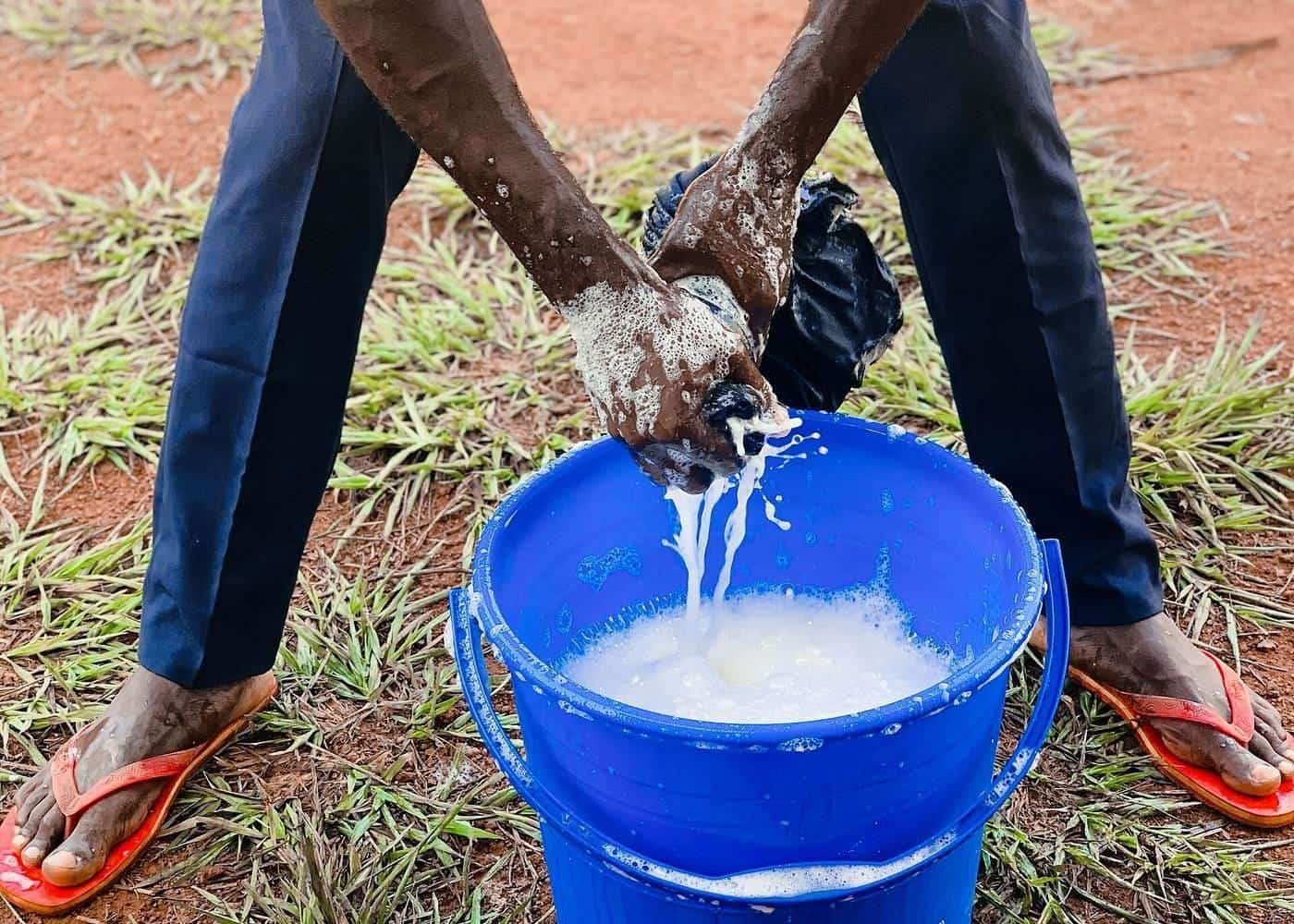
Cotton is a natural plant fibre. In kaftans it often appears as voile (fine and lightweight), gauze or muslin (soft, loosely woven, slightly crinkled) and poplin (smooth and crisp). Cotton is breathable and absorbent, generally easy to wash and suits hot weather. It can shrink if washed or dried hotter than the label allows, and it creases, although gauze is designed to look relaxed when crinkled.
Linen
Linen is made from the flax plant. It is cool, breathable and strong, and it softens with each wash. Linen creases easily, which many people embrace as part of its relaxed look. Heavier linens have more structure; lighter linens drape more freely. Follow the care label, as some linen garments can shrink.
Silk
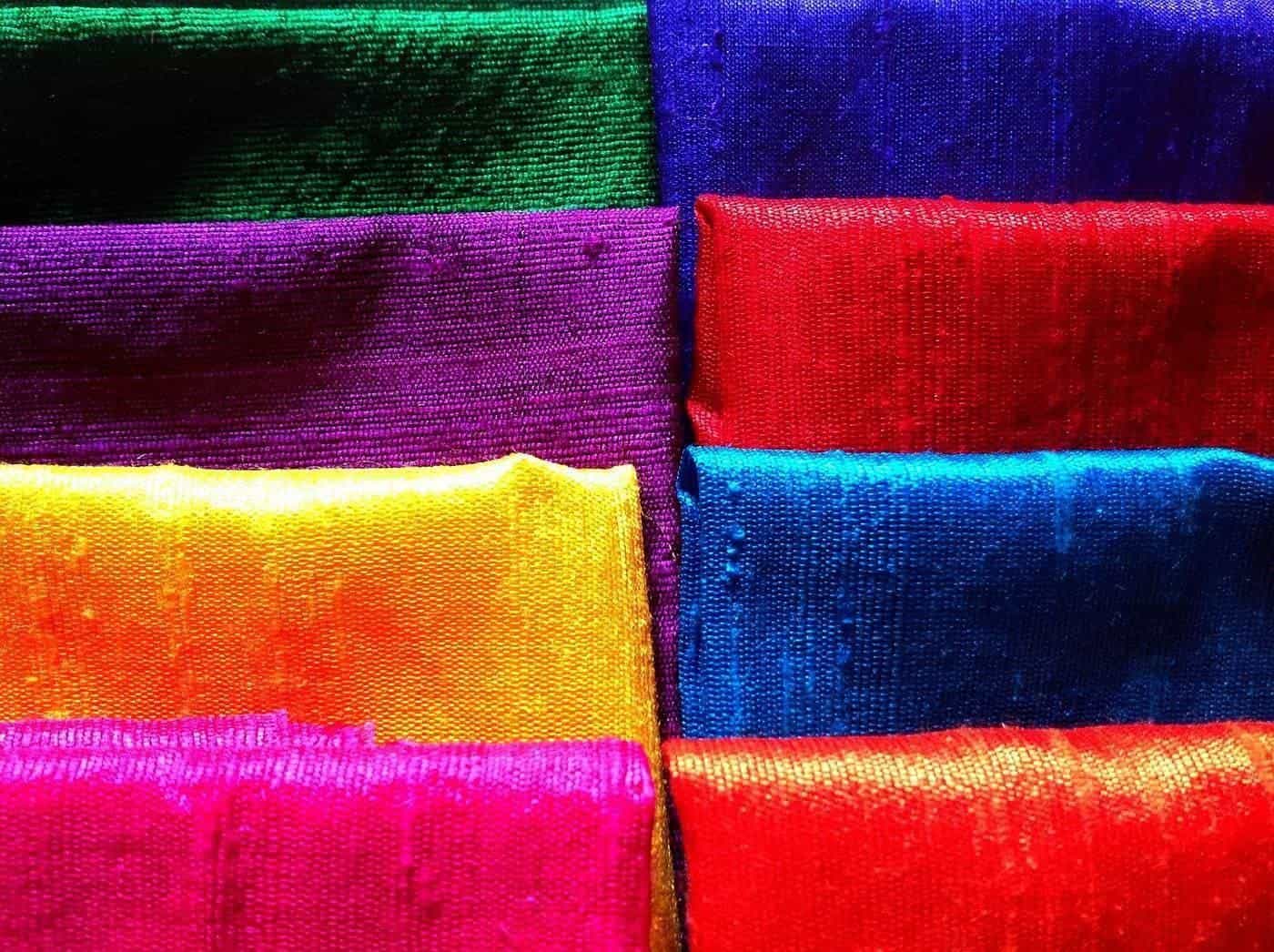
Silk is a natural protein fibre produced by silkworms. It has a soft lustre, drapes beautifully and feels smooth against the skin. Silk can be warm in cool weather and comfortable in heat. It is usually more delicate: many silk garments need hand washing or dry cleaning, can be marked by water or perspiration, and may fade in strong sunlight. Our silk and delicate care guide explains how to look after it.
Rayon (viscose)
Rayon, including viscose, is made from regenerated cellulose, often from wood pulp. It drapes and feels similar to silk or fine cotton, is breathable and takes dye well, which is why it's common in printed kaftans. Rayon can be weaker when wet and may shrink or lose shape if washed too hot or agitated. Gentle washing and line or flat drying are often recommended; check the label.
Polyester and other synthetics
Polyester, nylon and similar synthetics are durable, resist creasing and often dry quickly, which makes them practical for travel and beachwear. Polyester chiffon, georgette and satin are common in dressy kaftans. Synthetics can feel warmer and less breathable in humid weather than natural fibres.
Blends
Blends, such as cotton-silk, linen-rayon or poly-cotton, aim to combine the best of each fibre. A cotton-silk blend may have silk's lustre with cotton's ease; a linen-rayon blend may crease less than pure linen. Care depends on the blend, so the label is your guide.
Comparing at a glance
| Fabric | Feel | Breathability | Creasing | Typical care |
|---|---|---|---|---|
| Cotton | Soft to crisp | High | Medium | Often machine washable |
| Linen | Crisp, softens over time | High | High | Often machine or hand wash |
| Silk | Smooth, lustrous | Medium to high | Medium | Often hand wash or dry clean |
| Rayon (viscose) | Silky, drapey | High | Medium | Often gentle or hand wash |
| Polyester | Smooth | Lower | Low | Often machine washable |
These are general tendencies. Weave, weight and finishes all change how a fabric behaves, so always follow the care label.
Weave and weight matter
Two cotton kaftans can feel very different. A loose gauze lets air through but may also let more sun through. A tightly woven poplin feels crisper and blocks more light. ARPANSA explains that how tightly a fabric is woven, along with its colour and construction, affects how much ultraviolet radiation it blocks.
Care labels
ACCC Product Safety explains that clothing sold in Australia must carry care instructions under a mandatory standard, the Consumer Goods (Care Labelling) Information Standard 2023, using English words, international care symbols, or both. Reading the label before you buy tells you whether a kaftan will fit your laundry routine.
Fabric names you may see
Product descriptions use many fabric names. Voile is a fine, lightweight, semi-sheer fabric. Gauze and muslin are soft and loosely woven. Crepe has a slightly crinkled, matte surface. Chiffon and georgette are light and sheer. Satin has a glossy face. Dupioni is a crisp silk with a slightly uneven texture. Knowing these terms helps you picture a fabric you can't touch.
Feeling fabric in a shop
If you can shop in person, hold the fabric up to the light to check sheerness, scrunch a corner to see how much it creases, and feel whether it is smooth, crisp or soft. Check seams and hems, and read the care label before you buy.
Prints and dyes
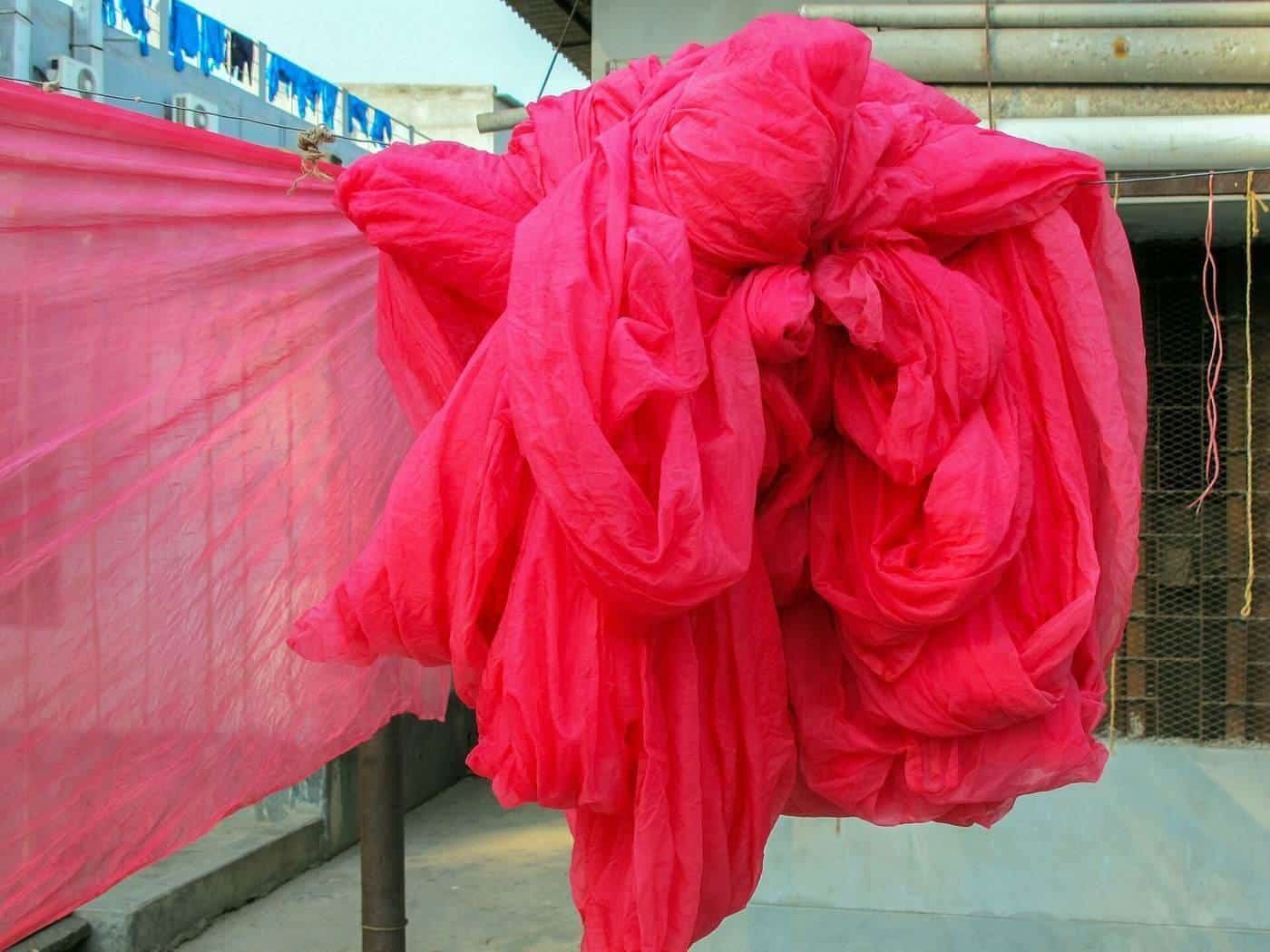
Bright prints are often on rayon or cotton, which take dye well. Hand-printed and hand-dyed fabrics can bleed in early washes, so wash them separately until the water runs clear.
Fabric weight
Fabric weight describes how heavy a fabric is for its area. Lightweight fabrics feel airy and float; heavier fabrics hang straighter and are usually more opaque. If a listing gives fabric weight, compare it with garments you already own.
Use the kaftan finder
Our free kaftan finder suggests fabric, length, neckline and care based on the occasion, your climate and how much care you're happy to give a garment. It also flags when to look for a UPF rating if you'll be in strong sun. It runs entirely in your browser, and nothing you choose is sent anywhere. Use it as a starting point before you shop, and always check the product's own details and care label.
Where our information comes from
Factual statements in our guides are based on official and expert sources, including ACCC Product Safety and the Federal Register of Legislation for care labelling, ARPANSA for sun protective clothing, the ACCC for consumer rights, Scamwatch for online shopping safety, and museum and encyclopaedia sources for history. We list them at the end of each page. Styling and care tips are general and written in our own words. Rules change, so check the sources before relying on any detail.
A good kaftan in one sentence
A good kaftan suits where you'll wear it, is made from a fabric that matches your climate and care routine, hangs well at your height, and makes you feel comfortable and like yourself. Everything else in this guide supports those few goals.
Questions to ask before you buy
Before buying any kaftan, ask yourself: where will I wear it, how often, what will I wear with it, how will I wash it, and does it fit my height and shape? Answering honestly helps avoid kaftans that sit unworn in the wardrobe. It also makes it easier to compare options and to spend wisely, whatever your budget.
Understanding care symbols
The five basic care symbols are a washtub for washing, a triangle for bleaching, a square for drying, an iron for ironing and a circle for professional care such as dry cleaning. Dots usually show temperature or heat, lines under a symbol suggest a gentler process, and a cross means "don't". ACCC Product Safety explains that Australian care labels may use English words, these symbols, or both. Learning them takes a few minutes and protects your favourite pieces.
Comfort in Australian summers
Much of Australia has long, hot summers, and humidity in the north can be high. Loose garments let air move around the body, which many people find more comfortable in the heat than fitted clothes. Breathable fabrics such as cotton, linen and rayon tend to feel cooler than heavy synthetics. In hot, humid places, quick-drying fabrics and loose weaves help. Wherever you are, sun protection still matters when you're outdoors.
Key points
- Cotton and linen are breathable and generally easy to wash.
- Silk and many embellished fabrics need gentle care.
- Rayon (viscose) drapes like silk but is weaker when wet.
- Weave and weight affect breathability and sun protection.
Frequently asked questions
Which kaftan fabric is coolest?
Breathable, loosely woven natural and cellulose fabrics such as cotton gauze, linen and rayon usually feel coolest in heat.
Is rayon the same as viscose?
Viscose is a common type of rayon. Both are made from regenerated cellulose, often from wood pulp.
Which fabric creases least?
Polyester and many blends resist creasing. Linen creases easily, which many people accept as part of its character.
How do I know what a kaftan is made of?
Check the fibre content on the label or product description, and the care label for washing instructions.
Sources and further reading
Facts on this page were checked against these primary and official sources. Conditions change — confirm before you travel or buy.
- Care labelling for clothing and textiles mandatory standard — ACCC Product Safety Australia
- Consumer Goods (Care Labelling) Information Standard 2023 — Federal Register of Legislation
- Sun protection using clothing — ARPANSA