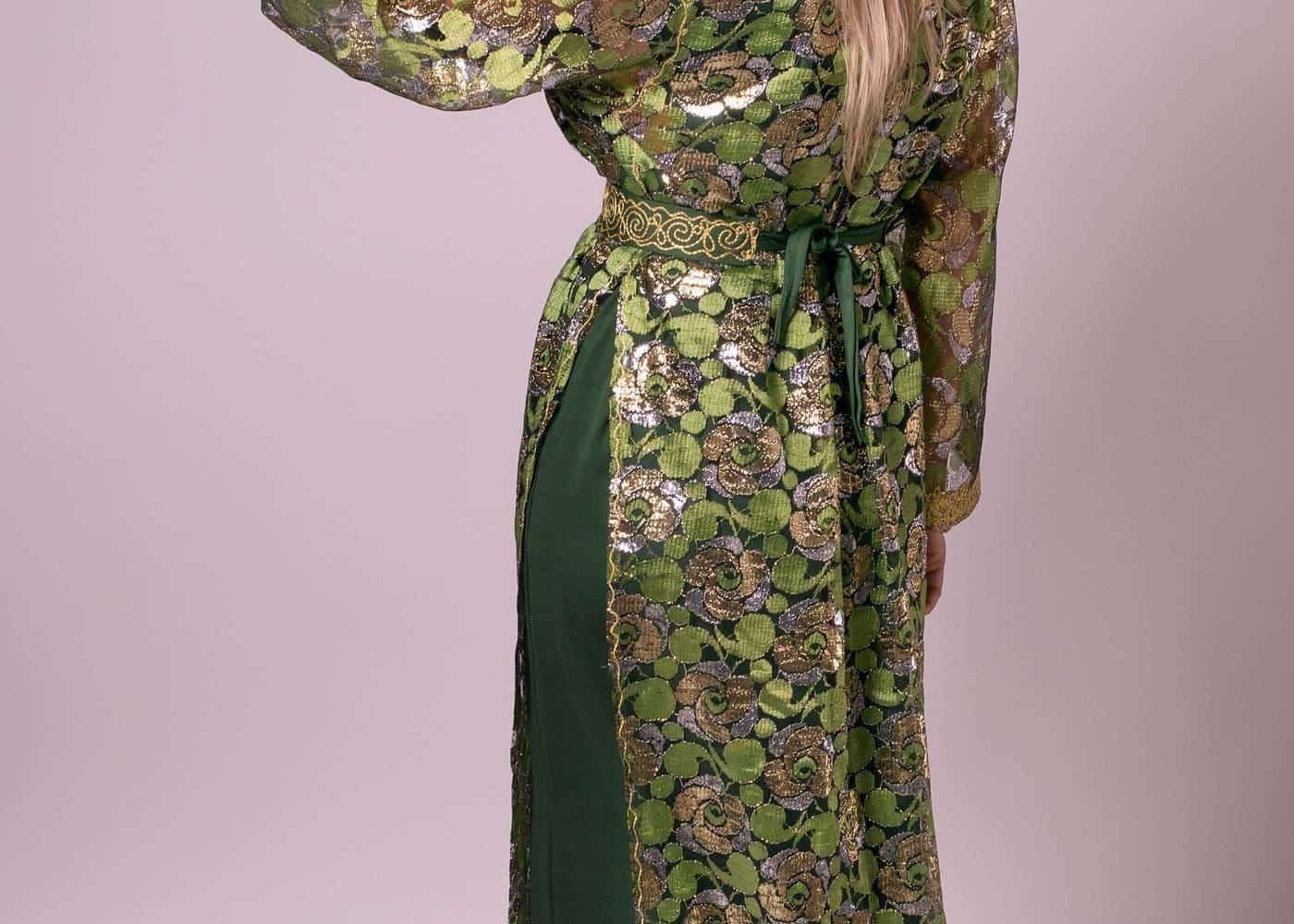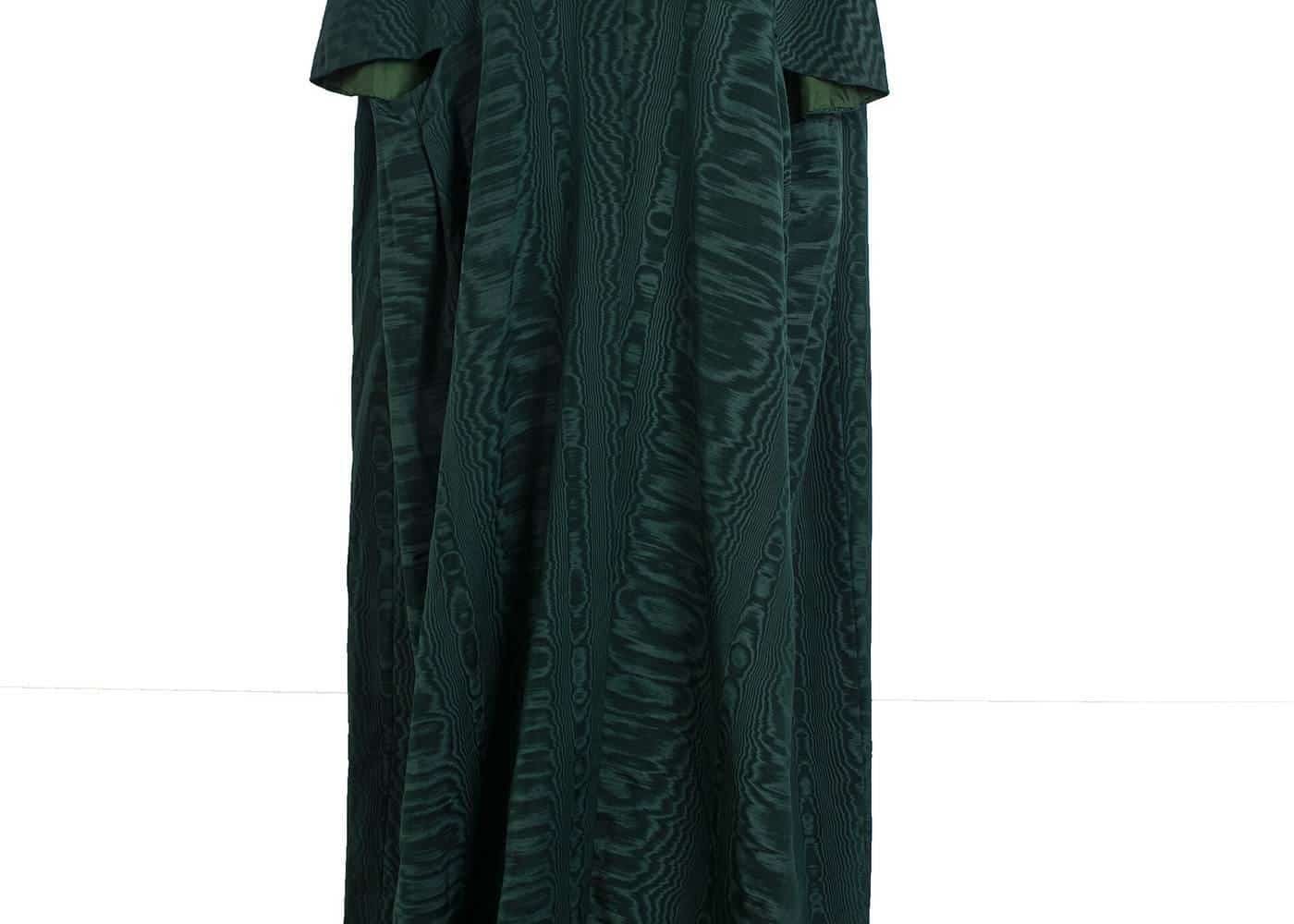
Kaftans aren't only for the beach. In silk, satin, crepe or richly embroidered fabric, a maxi kaftan can be an elegant choice for weddings, milestone birthdays, festive celebrations and dinners. Their loose cut makes them comfortable through a long event, and they suit warm Australian evenings.
This guide is general information written in our own words. We don't recommend particular shops, labels or products, and we never quote prices: they vary widely, so compare for yourself.
Reading the dress code
Start with the invitation. "Cocktail" usually suggests knee to midi length; "formal" or "black tie optional" suggests floor length or an equally dressy outfit. "Garden" or "beach" weddings often welcome flowing styles. If there's no dress code, consider the venue and time of day: evening events usually call for richer fabrics and darker or jewel tones.
Fabrics that dress up
- Silk drapes beautifully and has a soft sheen.
- Satin, whether silk or polyester, gives a glossy, formal look.
- Crepe has a matte, textured surface and elegant drape.
- Chiffon and georgette are light and floaty, often layered over a lining.
- Embroidered or beaded fabrics add detail for special events.
Length and silhouette
A maxi kaftan gives a long, graceful line. Adding a belt or choosing a style with a tie waist adds shape. Midi lengths work well for cocktail events. If you'll be dancing, make sure the hem isn't so long that you'll tread on it.
Colour
Jewel tones, metallic finishes and rich prints feel festive. For weddings, many guests avoid white, ivory and cream so as not to compete with the couple; follow any guidance from the hosts. For cultural or religious celebrations, ask about any colour conventions.
Accessories
Accessories change the mood. Statement earrings, a slim metallic belt, a structured clutch and smart sandals or heels all lift a kaftan for evening. For daytime events, try flat sandals, a straw bag and simple jewellery. A wrap or light jacket helps on cooler nights.
Comfort for long events
One of the best things about a kaftan is comfort through a long day. Check that the fabric breathes, especially for outdoor summer events, and that sleeves won't get in the way while eating. A lining can stop sheer fabrics clinging or showing too much.
Caring for occasion kaftans
Dressy kaftans often have delicate fabrics and embellishments. ACCC Product Safety explains that clothing sold in Australia must carry care instructions, using English words, international care symbols or both. Follow the label: many embellished pieces need hand washing or dry cleaning. Store them hanging or folded with acid-free tissue, away from direct sunlight. Our silk and delicate care guide has more detail.
Respecting traditions
Kaftans and similar robes are important in many cultures, and in some communities they are worn for specific celebrations. If you're attending a cultural event, ask your hosts about what is appropriate. Wearing a garment with respect and understanding is part of enjoying it.
Festive and cultural celebrations
Kaftans are worn for many celebrations, from family gatherings during religious festivals to milestone birthdays. In some communities, particular colours, fabrics or embellishments are traditional for certain events. When in doubt, ask your hosts. Most people appreciate guests who take an interest in their customs.
Choosing a lining
Sheer or lightweight kaftans for evening often benefit from a lining or a slip worn underneath. A lining helps the fabric hang smoothly, stops it clinging and reduces see-through effects under bright lights and camera flash. Some kaftans come with a separate slip.
Photographs and flash
Metallic and sheer fabrics can look different in photos taken with a flash. If you'll be photographed often, try a quick phone photo with flash at home to check how the fabric looks.
Use the kaftan finder
Our free kaftan finder suggests fabric, length, neckline and care based on the occasion, your climate and how much care you're happy to give a garment. It also flags when to look for a UPF rating if you'll be in strong sun. It runs entirely in your browser, and nothing you choose is sent anywhere. Use it as a starting point before you shop, and always check the product's own details and care label.
Where our information comes from
Factual statements in our guides are based on official and expert sources, including ACCC Product Safety and the Federal Register of Legislation for care labelling, ARPANSA for sun protective clothing, the ACCC for consumer rights, Scamwatch for online shopping safety, and museum and encyclopaedia sources for history. We list them at the end of each page. Styling and care tips are general and written in our own words. Rules change, so check the sources before relying on any detail.
A good kaftan in one sentence
A good kaftan suits where you'll wear it, is made from a fabric that matches your climate and care routine, hangs well at your height, and makes you feel comfortable and like yourself. Everything else in this guide supports those few goals.
Questions to ask before you buy
Before buying any kaftan, ask yourself: where will I wear it, how often, what will I wear with it, how will I wash it, and does it fit my height and shape? Answering honestly helps avoid kaftans that sit unworn in the wardrobe. It also makes it easier to compare options and to spend wisely, whatever your budget.
Understanding care symbols
The five basic care symbols are a washtub for washing, a triangle for bleaching, a square for drying, an iron for ironing and a circle for professional care such as dry cleaning. Dots usually show temperature or heat, lines under a symbol suggest a gentler process, and a cross means "don't". ACCC Product Safety explains that Australian care labels may use English words, these symbols, or both. Learning them takes a few minutes and protects your favourite pieces.
Comfort in Australian summers
Much of Australia has long, hot summers, and humidity in the north can be high. Loose garments let air move around the body, which many people find more comfortable in the heat than fitted clothes. Breathable fabrics such as cotton, linen and rayon tend to feel cooler than heavy synthetics. In hot, humid places, quick-drying fabrics and loose weaves help. Wherever you are, sun protection still matters when you're outdoors.
Buying gifts
Kaftans make popular gifts because many styles fit a range of sizes. Even so, check the length and width measurements, choose a fabric that suits the recipient's climate and lifestyle, and keep the receipt. Remember that change-of-mind returns depend on the store's policy, so check it before you buy.
Keeping your kaftans organised
Store kaftans where you can see them, so you remember to wear them. Lightweight pieces hang well on slim or padded hangers; heavy, beaded pieces are better folded. Group them by occasion, such as beach, day and evening, so getting dressed is quick. At the end of summer, wash and store them properly so they're ready for next season.
Supporting makers
Many kaftans are made by small designers and artisans using traditional techniques such as block printing, embroidery and hand weaving. If you value these skills, look for sellers who explain who made a garment, where and how. Clear descriptions are a good sign of a seller who cares about their products.
A note on accessibility
Kaftans can be a comfortable choice for people with limited mobility, sensory sensitivities or medical devices, because they are loose and easy to put on. Front-opening styles, soft necklines, and fabrics without scratchy trims can make dressing easier. Check measurements carefully if you use a wheelchair, as long hems can catch in wheels.
When to replace a kaftan
Kaftans are usually retired when fabric wears thin, colours fade badly or seams can no longer be repaired. Thin, faded fabric also tends to block less sun. Before you throw one away, consider whether it could be mended, swapped or repurposed.
Key points
- Check the dress code and venue before choosing length and fabric.
- Silk, satin, crepe and embroidered fabrics dress a kaftan up.
- Many wedding guests avoid white or ivory.
- Embellished pieces often need hand washing or dry cleaning.
Frequently asked questions
Can I wear a kaftan to a wedding?
Often, yes, depending on the dress code and setting. A maxi kaftan in a dressy fabric can suit garden, beach and evening weddings.
Should I avoid white?
At weddings, many guests avoid white or ivory so as not to clash with the couple. Check any guidance from the hosts.
How do I make a kaftan look dressier?
Choose silk, satin or crepe, add a belt, statement earrings and smart shoes.
Are embellished kaftans hard to clean?
Often. Beaded and sequinned pieces may need hand washing or dry cleaning; follow the care label.
Sources and further reading
Facts on this page were checked against these primary and official sources. Conditions change — confirm before you travel or buy.
- Care labelling for clothing and textiles mandatory standard — ACCC Product Safety Australia
- Caftan — Encyclopaedia Britannica