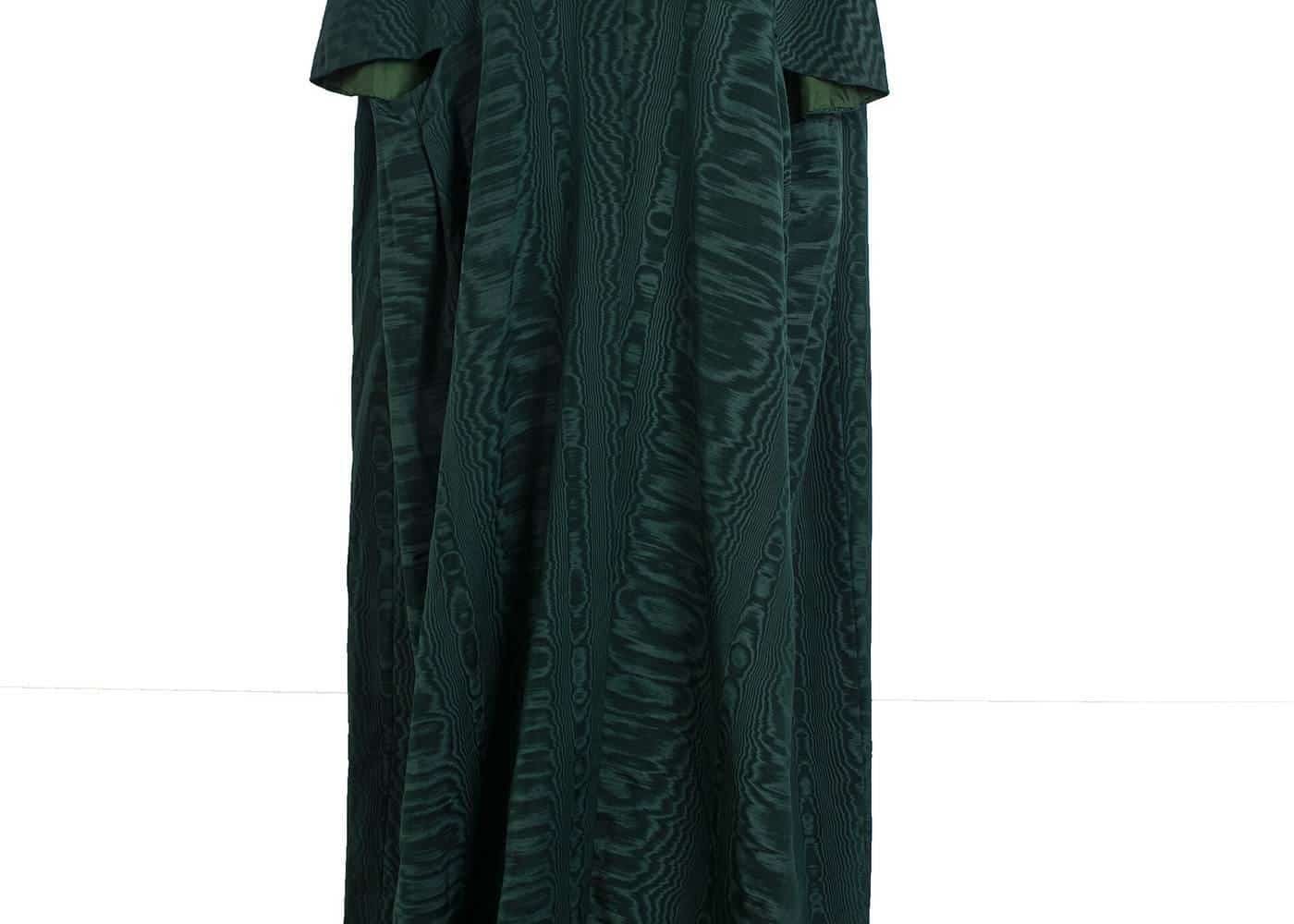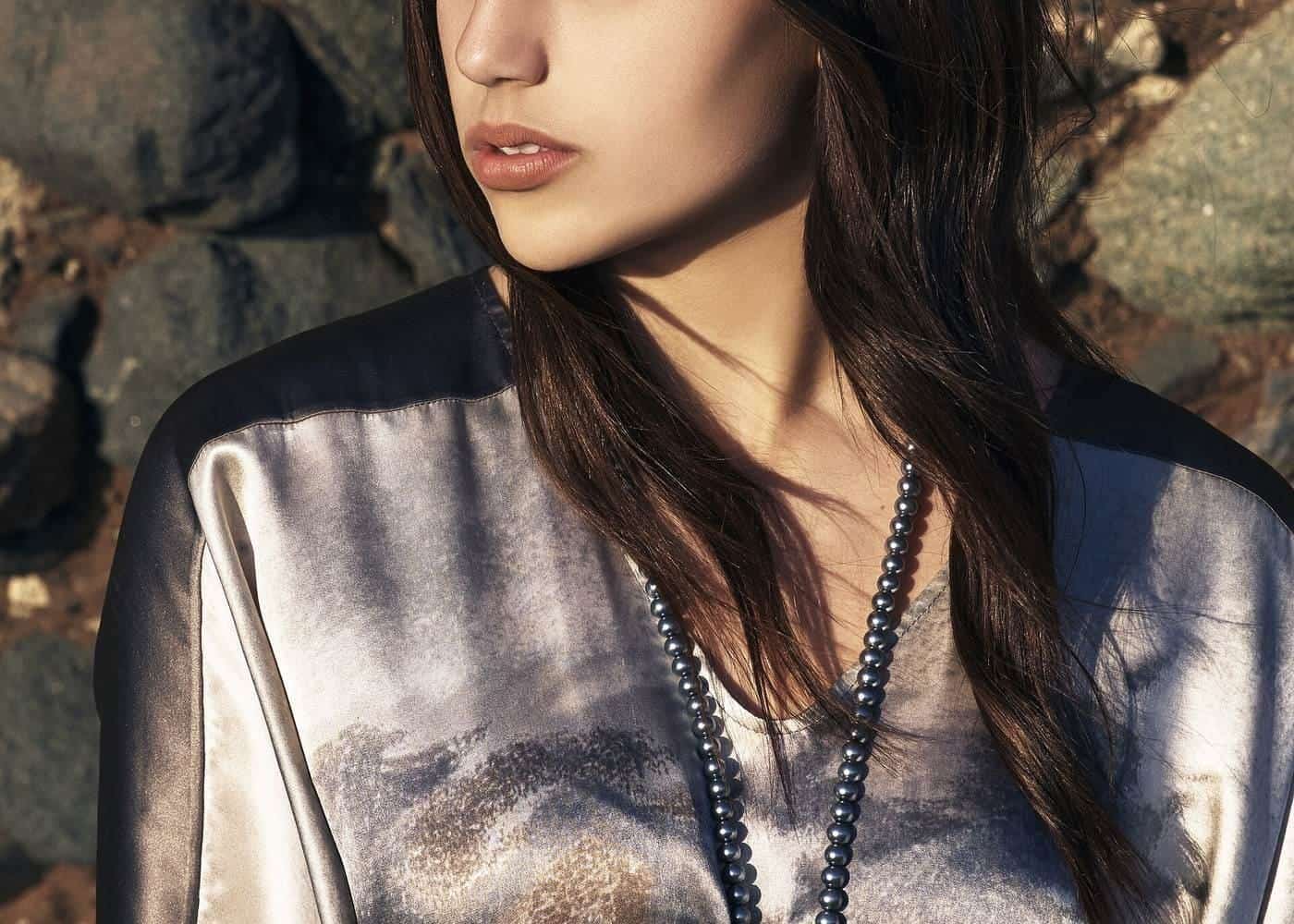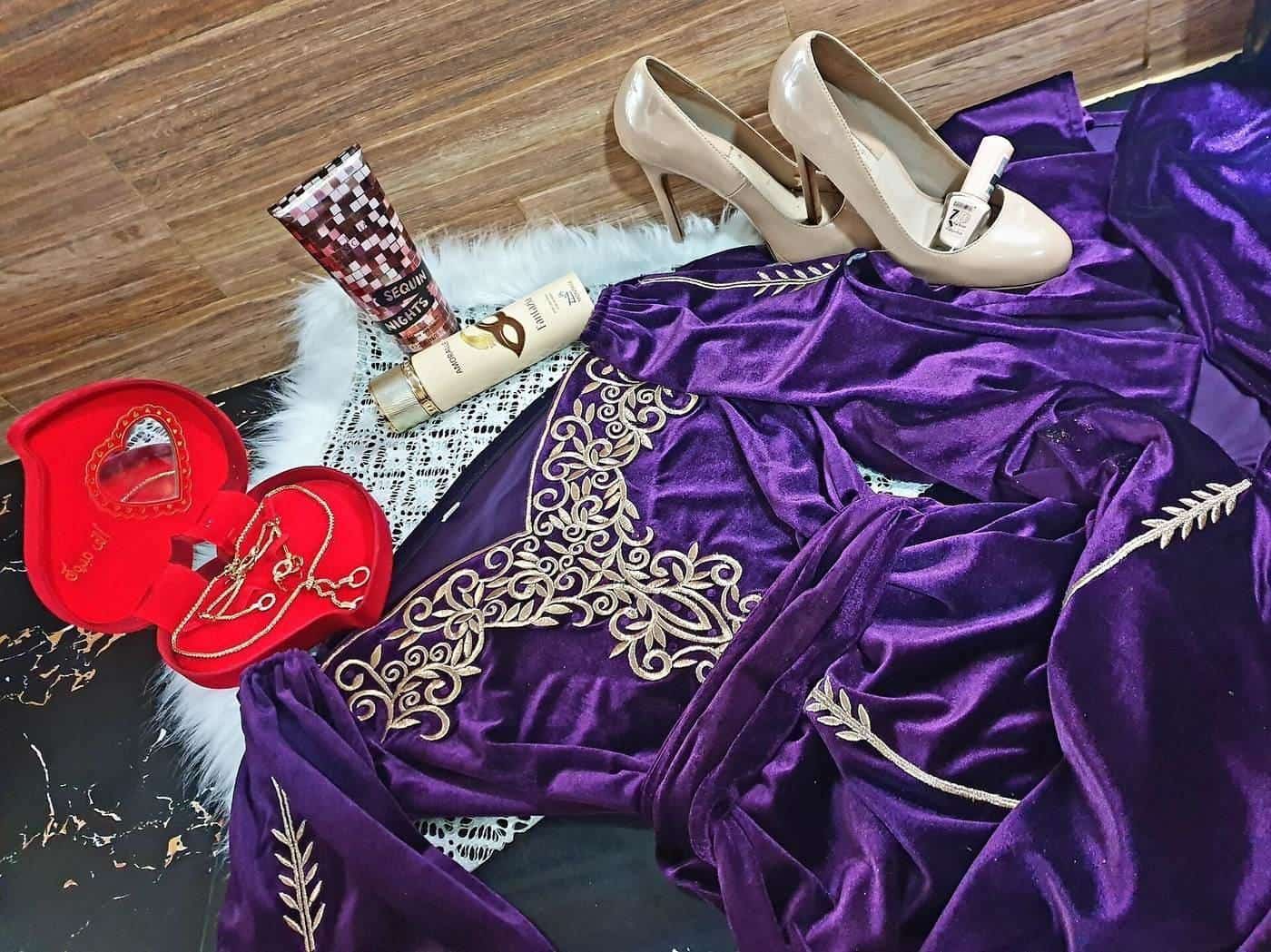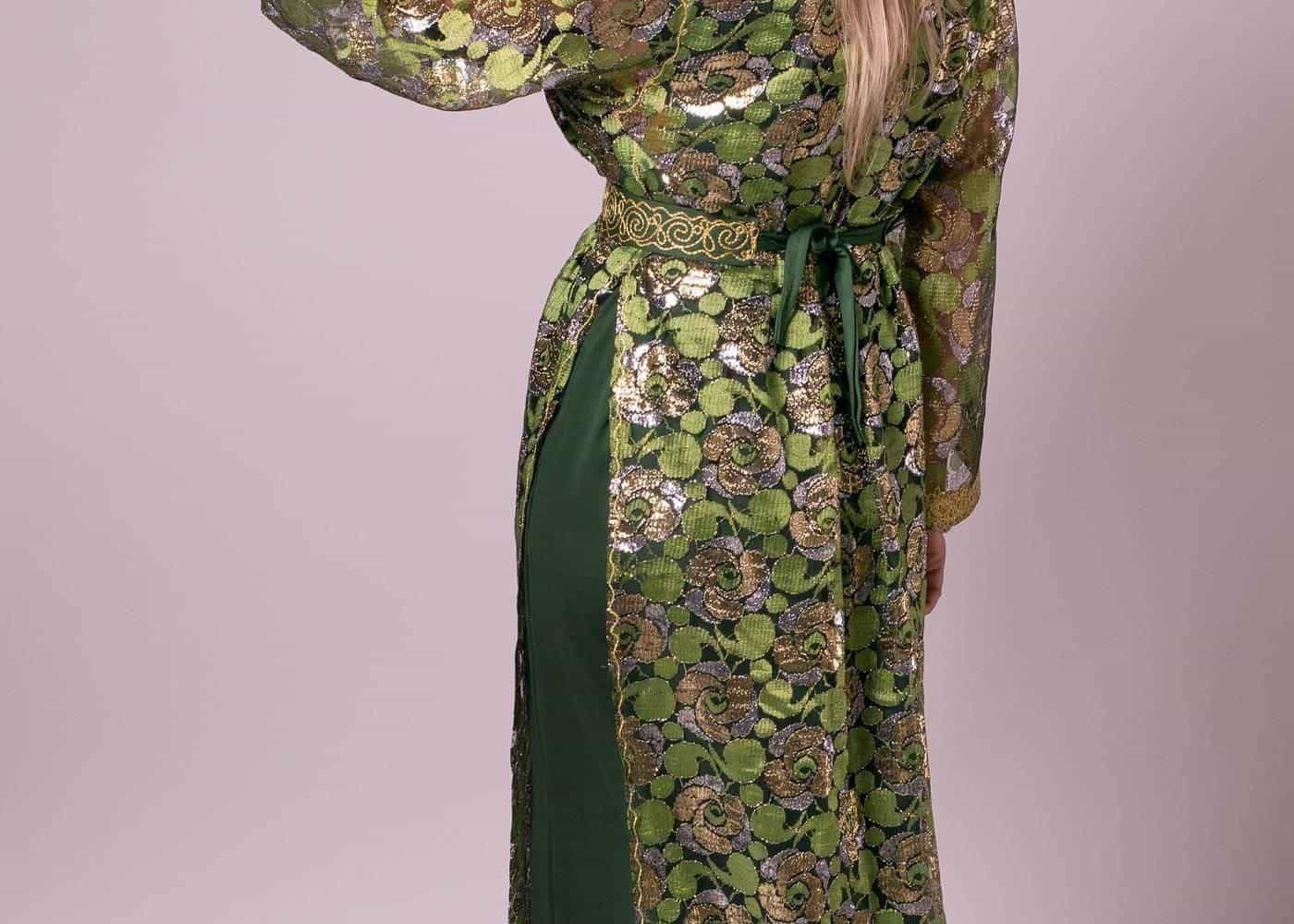
A kaftan is easy to throw on, but a few styling tricks help it work in more places. Whether you want a relaxed beach look, a polished outfit for lunch or something glamorous for evening, the basics are the same: think about shape, proportion, layers and accessories.
This guide is general information written in our own words. We don't recommend particular shops, labels or products, and we never quote prices: they vary widely, so compare for yourself.
Shape with a belt or tie
Loose kaftans can swamp a smaller frame or feel shapeless. A belt at the natural waist, a tie or a drawstring creates shape and lets the fabric blouse gently above it. Try different belts: a slim leather belt for day, a woven belt for a relaxed look, a metallic belt for evening. Some people prefer to belt slightly higher, which can lengthen the legs.
Think about proportion
With a long, loose kaftan, balance can come from a defined neckline, a V shape or a belt. Shorter kaftans pair well with slim pants or shorts, which keep the overall look balanced. If you're petite, check that a maxi doesn't overwhelm you, or choose a midi length. If you're tall, look for kaftans with longer length measurements.
Layering
Layering extends a kaftan beyond summer:
- A fine knit or long-sleeve top underneath for cooler days.
- A denim jacket, cardigan or blazer over the top.
- Leggings, slim pants or tights under shorter kaftans.
- A light wrap or scarf for evenings.
Footwear
Flat sandals and slides suit beach and casual wear. Espadrilles and wedges add height while staying relaxed. Heeled sandals or strappy shoes dress a kaftan up for evening. In cooler weather, ankle boots can look good with shorter kaftans.
Accessories
Accessories set the tone. A straw hat and woven bag feel summery; statement earrings and a clutch feel festive. Because many kaftans have busy prints, simple accessories often work best with patterned pieces. Plain kaftans can carry bolder jewellery.
Kaftans at work
Some workplaces welcome relaxed, flowing clothing. A knee or midi kaftan in a plain or subtle print, belted, with a light jacket and closed shoes can look polished. Check your workplace dress code.
Kaftans for travel
Kaftans are comfortable for long journeys and can go from plane to dinner with a change of shoes and accessories. Choose fabrics that resist creasing, or prints that hide wrinkles. Our packing guide has more tips.
Kaftans in hot weather
Loose, breathable fabrics let air move around the body, which can feel cooler in hot weather. For time in the sun, remember that thin fabrics may let UV through; ARPANSA's advice on sun protection using clothing explains that fabric, weave and colour all affect protection.
Mixing prints and colours
If you love colour, pick one shade from a print and repeat it in your shoes, bag or jewellery. This ties the outfit together. Plain kaftans can be paired with a printed scarf or bag for interest.
Caring for your look
Pressing or steaming a kaftan before you wear it makes a big difference to how polished it looks. Always check the care label, especially for silk, rayon and embellished fabrics, which may need a low iron setting or a pressing cloth.
Building a kaftan capsule
A few well-chosen kaftans can cover most warm-weather occasions: a short or knee-length cover-up for the beach, a versatile midi for daytime, and a dressier maxi for evenings. Choose colours that work with the shoes, belts and bags you already own. That way, each kaftan can be styled several ways.
Hair and accessories for kaftans
Long, loose garments often look balanced with hair worn up or pulled back, which shows the neckline. Headscarves and wide-brimmed hats suit relaxed looks. For evening, statement earrings near the face draw attention upwards and balance a long silhouette.
Mistakes to avoid
Common styling problems include kaftans that drag on the ground, sheer fabrics worn without thought for what shows underneath, and too many competing prints and accessories. A quick look in a full-length mirror usually catches these.
Use the kaftan finder
Our free kaftan finder suggests fabric, length, neckline and care based on the occasion, your climate and how much care you're happy to give a garment. It also flags when to look for a UPF rating if you'll be in strong sun. It runs entirely in your browser, and nothing you choose is sent anywhere. Use it as a starting point before you shop, and always check the product's own details and care label.
Where our information comes from
Factual statements in our guides are based on official and expert sources, including ACCC Product Safety and the Federal Register of Legislation for care labelling, ARPANSA for sun protective clothing, the ACCC for consumer rights, Scamwatch for online shopping safety, and museum and encyclopaedia sources for history. We list them at the end of each page. Styling and care tips are general and written in our own words. Rules change, so check the sources before relying on any detail.
A good kaftan in one sentence
A good kaftan suits where you'll wear it, is made from a fabric that matches your climate and care routine, hangs well at your height, and makes you feel comfortable and like yourself. Everything else in this guide supports those few goals.
Questions to ask before you buy
Before buying any kaftan, ask yourself: where will I wear it, how often, what will I wear with it, how will I wash it, and does it fit my height and shape? Answering honestly helps avoid kaftans that sit unworn in the wardrobe. It also makes it easier to compare options and to spend wisely, whatever your budget.
Understanding care symbols
The five basic care symbols are a washtub for washing, a triangle for bleaching, a square for drying, an iron for ironing and a circle for professional care such as dry cleaning. Dots usually show temperature or heat, lines under a symbol suggest a gentler process, and a cross means "don't". ACCC Product Safety explains that Australian care labels may use English words, these symbols, or both. Learning them takes a few minutes and protects your favourite pieces.
Comfort in Australian summers
Much of Australia has long, hot summers, and humidity in the north can be high. Loose garments let air move around the body, which many people find more comfortable in the heat than fitted clothes. Breathable fabrics such as cotton, linen and rayon tend to feel cooler than heavy synthetics. In hot, humid places, quick-drying fabrics and loose weaves help. Wherever you are, sun protection still matters when you're outdoors.
Buying gifts
Kaftans make popular gifts because many styles fit a range of sizes. Even so, check the length and width measurements, choose a fabric that suits the recipient's climate and lifestyle, and keep the receipt. Remember that change-of-mind returns depend on the store's policy, so check it before you buy.
Keeping your kaftans organised
Store kaftans where you can see them, so you remember to wear them. Lightweight pieces hang well on slim or padded hangers; heavy, beaded pieces are better folded. Group them by occasion, such as beach, day and evening, so getting dressed is quick. At the end of summer, wash and store them properly so they're ready for next season.
Supporting makers
Many kaftans are made by small designers and artisans using traditional techniques such as block printing, embroidery and hand weaving. If you value these skills, look for sellers who explain who made a garment, where and how. Clear descriptions are a good sign of a seller who cares about their products.
A note on accessibility
Kaftans can be a comfortable choice for people with limited mobility, sensory sensitivities or medical devices, because they are loose and easy to put on. Front-opening styles, soft necklines, and fabrics without scratchy trims can make dressing easier. Check measurements carefully if you use a wheelchair, as long hems can catch in wheels.
Key points
- Belts and ties add shape to loose kaftans.
- Balance proportions with neckline, length and slim layers.
- Layers extend kaftans into cooler months.
- Simple accessories suit busy prints.
Frequently asked questions
How do I stop a kaftan looking shapeless?
Add a belt or tie at the waist, or choose a style with a defined neckline or seam.
What shoes go with a kaftan?
Flat sandals for day, espadrilles or wedges for a lift, and heeled sandals for evening.
Can I wear a kaftan to work?
In relaxed workplaces, a knee or midi kaftan in a plain fabric, belted, with a light jacket can work.
Can I wear a kaftan in winter?
Yes, layered over a long-sleeve top, leggings or tights, with a coat or cardigan.
Sources and further reading
Facts on this page were checked against these primary and official sources. Conditions change — confirm before you travel or buy.
- Care labelling for clothing and textiles mandatory standard — ACCC Product Safety Australia
- Sun protection using clothing — ARPANSA