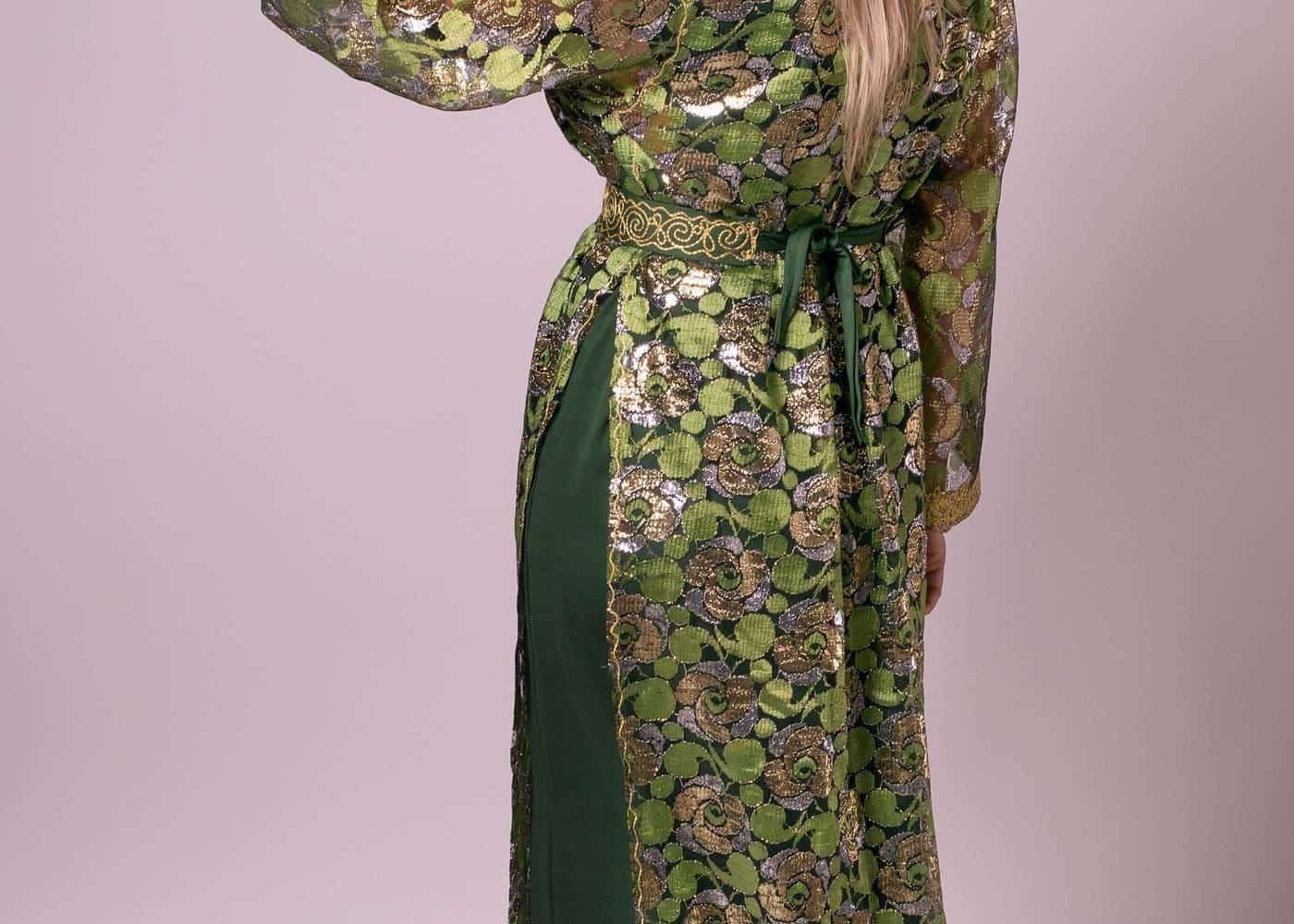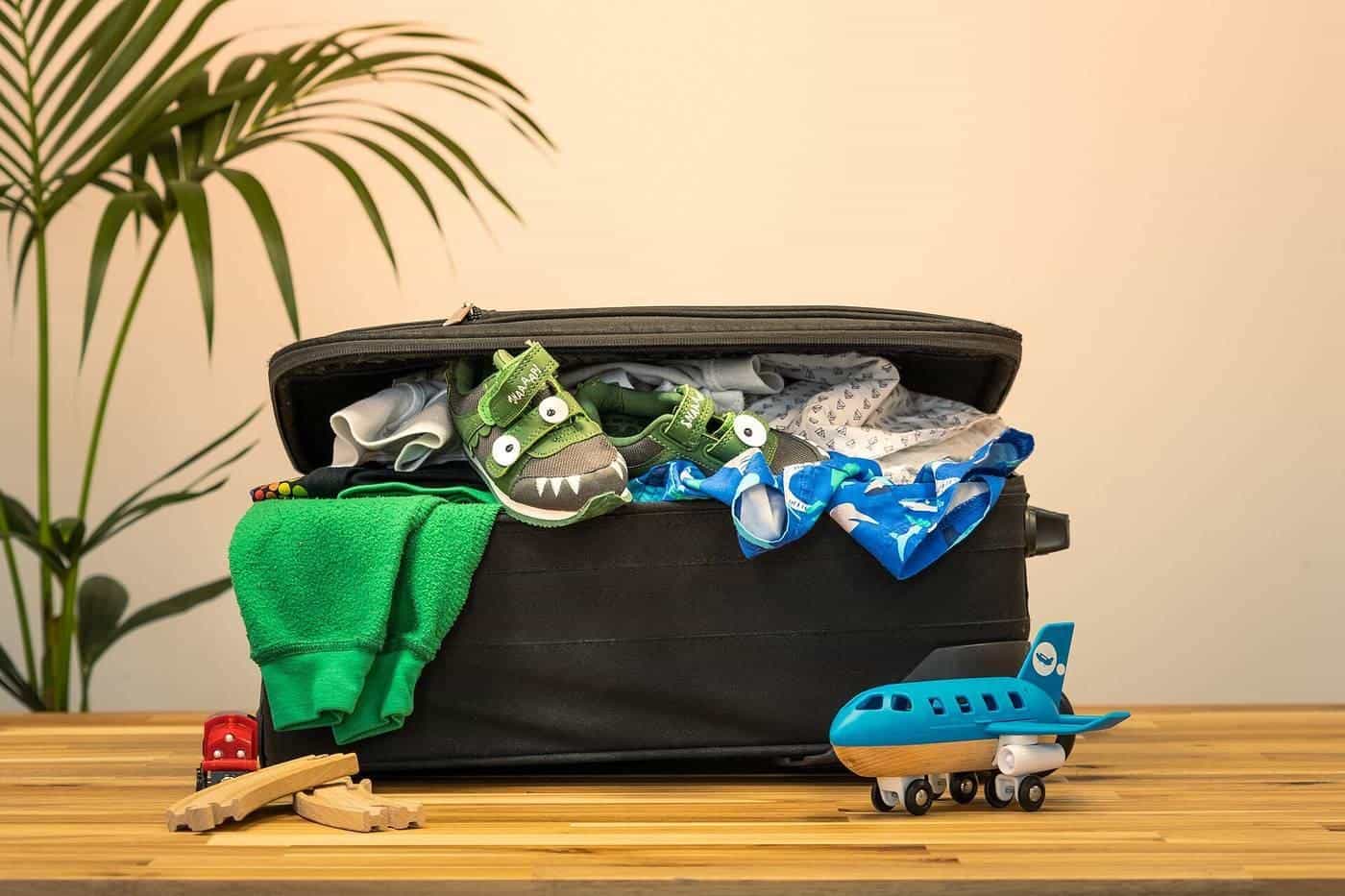
Kaftans are a traveller's friend. They're light, comfortable on long journeys and can go from beach to dinner with a change of shoes. Choosing the right fabrics and packing them well keeps them looking fresh when you arrive.
This guide is general information written in our own words. We don't recommend particular shops, labels or products, and we never quote prices: they vary widely, so compare for yourself.
Choose travel-friendly fabrics
Some fabrics travel better than others:
- Polyester and blends resist creasing and dry quickly.
- Cotton gauze and crinkled fabrics look relaxed even when wrinkled.
- Printed fabrics hide creases better than plain colours.
- Linen is cool but creases easily; accept the relaxed look or pack a small steamer.
- Silk is light, but may mark and needs gentle care.
Rolling or folding
Rolling lightweight kaftans tightly reduces sharp creases and saves space. Folding along natural seams works better for structured or embellished pieces. Packing cubes or soft bags keep clothes organised and reduce movement in the suitcase.
Protecting delicate pieces
Pack beaded or embroidered kaftans inside out, folded with tissue paper, near the top of your bag so they're not crushed. A cotton bag protects them from snagging on zips.
Planning outfits
A small capsule covers many trips:
- One kaftan as a beach or pool cover-up.
- One versatile day kaftan for sightseeing and lunches.
- One dressier kaftan for evenings.
- A belt, a light layer and a pair of sandals that work with all three.
Washing on the road
Many cotton and synthetic kaftans can be hand washed in a sink with a little travel detergent and dried overnight on a hanger. Follow the care label, and avoid hotel dryers unless the label allows. Rinse beach kaftans in fresh water to remove salt and sunscreen.
Releasing creases on arrival
Hang kaftans as soon as you arrive. A steamy bathroom after a shower helps relax creases. A small travel steamer or iron on a low setting can finish the job; check the label first.
Sun on holiday
If you're travelling somewhere sunny, remember that a light kaftan may not give much UV protection. ARPANSA explains that UPF ratings show how much UV a fabric blocks. Pack a hat, sunscreen and, if you need it, a UPF-rated cover-up.
Dress codes and local customs
Some destinations, places of worship and restaurants expect modest dress or covered swimwear. A long kaftan can be handy for covering up. Check local customs before you go.
A packing checklist
Before you zip the suitcase, check you have: your kaftans, a belt, sandals and a dressier pair of shoes, a light layer for evenings, a hat and sunglasses, travel detergent, a few pegs or a travel clothesline, a mesh bag for delicates, and a wet bag for swimwear.
Cabin bag tips
Wear your bulkiest layer on the plane and pack a light kaftan in your cabin bag. If your checked bag is delayed, you'll still have something comfortable to wear.
Keeping kaftans fresh
Air kaftans between wears on holiday, and keep worn and clean clothes separate.
Kaftans for cruises and resorts
Cruises and resorts often have a mix of pool, casual and dressier evenings. Kaftans can cover all three: a light cover-up for the pool deck, a printed midi for daytime ports and a silk or satin maxi for dinners. Check any dress codes for formal nights before you pack, and remember that air-conditioned dining rooms can feel cool, so pack a light layer. A kaftan is also handy to slip over swimwear when walking through indoor areas.
Use the kaftan finder
Our free kaftan finder suggests fabric, length, neckline and care based on the occasion, your climate and how much care you're happy to give a garment. It also flags when to look for a UPF rating if you'll be in strong sun. It runs entirely in your browser, and nothing you choose is sent anywhere. Use it as a starting point before you shop, and always check the product's own details and care label.
Where our information comes from
Factual statements in our guides are based on official and expert sources, including ACCC Product Safety and the Federal Register of Legislation for care labelling, ARPANSA for sun protective clothing, the ACCC for consumer rights, Scamwatch for online shopping safety, and museum and encyclopaedia sources for history. We list them at the end of each page. Styling and care tips are general and written in our own words. Rules change, so check the sources before relying on any detail.
A good kaftan in one sentence
A good kaftan suits where you'll wear it, is made from a fabric that matches your climate and care routine, hangs well at your height, and makes you feel comfortable and like yourself. Everything else in this guide supports those few goals.
Questions to ask before you buy
Before buying any kaftan, ask yourself: where will I wear it, how often, what will I wear with it, how will I wash it, and does it fit my height and shape? Answering honestly helps avoid kaftans that sit unworn in the wardrobe. It also makes it easier to compare options and to spend wisely, whatever your budget.
Understanding care symbols
The five basic care symbols are a washtub for washing, a triangle for bleaching, a square for drying, an iron for ironing and a circle for professional care such as dry cleaning. Dots usually show temperature or heat, lines under a symbol suggest a gentler process, and a cross means "don't". ACCC Product Safety explains that Australian care labels may use English words, these symbols, or both. Learning them takes a few minutes and protects your favourite pieces.
Comfort in Australian summers
Much of Australia has long, hot summers, and humidity in the north can be high. Loose garments let air move around the body, which many people find more comfortable in the heat than fitted clothes. Breathable fabrics such as cotton, linen and rayon tend to feel cooler than heavy synthetics. In hot, humid places, quick-drying fabrics and loose weaves help. Wherever you are, sun protection still matters when you're outdoors.
Buying gifts
Kaftans make popular gifts because many styles fit a range of sizes. Even so, check the length and width measurements, choose a fabric that suits the recipient's climate and lifestyle, and keep the receipt. Remember that change-of-mind returns depend on the store's policy, so check it before you buy.
Keeping your kaftans organised
Store kaftans where you can see them, so you remember to wear them. Lightweight pieces hang well on slim or padded hangers; heavy, beaded pieces are better folded. Group them by occasion, such as beach, day and evening, so getting dressed is quick. At the end of summer, wash and store them properly so they're ready for next season.
Supporting makers
Many kaftans are made by small designers and artisans using traditional techniques such as block printing, embroidery and hand weaving. If you value these skills, look for sellers who explain who made a garment, where and how. Clear descriptions are a good sign of a seller who cares about their products.
A note on accessibility
Kaftans can be a comfortable choice for people with limited mobility, sensory sensitivities or medical devices, because they are loose and easy to put on. Front-opening styles, soft necklines, and fabrics without scratchy trims can make dressing easier. Check measurements carefully if you use a wheelchair, as long hems can catch in wheels.
When to replace a kaftan
Kaftans are usually retired when fabric wears thin, colours fade badly or seams can no longer be repaired. Thin, faded fabric also tends to block less sun. Before you throw one away, consider whether it could be mended, swapped or repurposed.
Key points
- Prints, crinkled fabrics and synthetics resist visible creasing.
- Roll light kaftans; fold embellished ones with tissue.
- A three-kaftan capsule covers beach, day and evening.
- Hand wash in a sink and dry overnight if the label allows.
Frequently asked questions
How do I stop kaftans creasing in a suitcase?
Roll lightweight kaftans, pack them in a soft bag, and choose prints or crinkled fabrics that hide wrinkles.
How many kaftans should I pack?
Plan outfits for your activities. A beach cover-up, a day kaftan and an evening kaftan cover many trips.
Can I wash kaftans while travelling?
Many cotton and synthetic kaftans can be hand washed in a sink and dried overnight. Follow the label.
How do I pack a beaded kaftan?
Fold it with tissue paper, inside out, and pack it flat on top so it isn't crushed.
Sources and further reading
Facts on this page were checked against these primary and official sources. Conditions change — confirm before you travel or buy.
- Care labelling for clothing and textiles mandatory standard — ACCC Product Safety Australia
- Australian sun protective clothing — ARPANSA