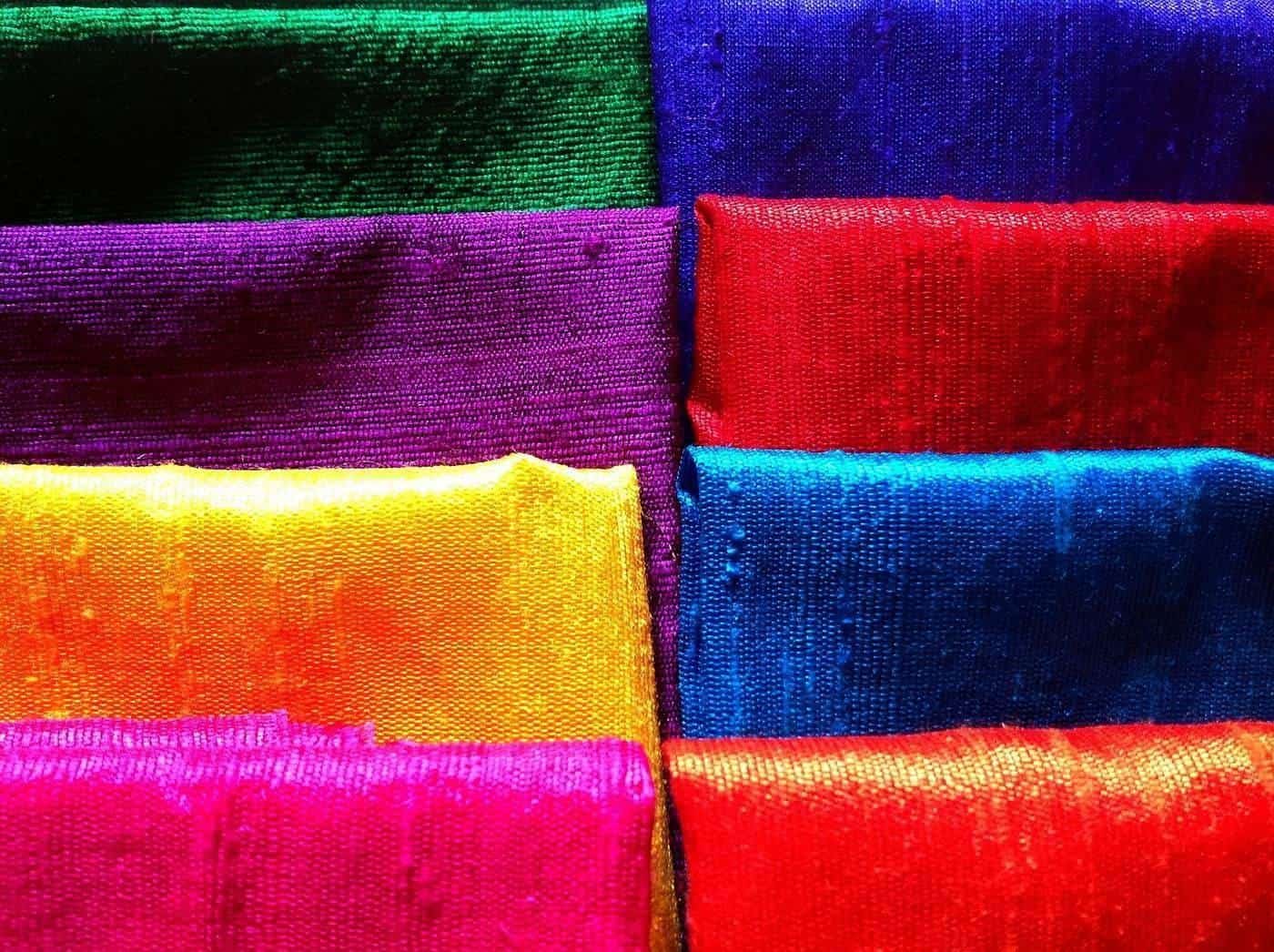
Silk, chiffon, beaded and embroidered kaftans are often the most special in a wardrobe, and the most delicate. With the right care, they can stay beautiful for many years. The single most important step is to read and follow the care label.
This guide is general information written in our own words. We don't recommend particular shops, labels or products, and we never quote prices: they vary widely, so compare for yourself.
Start with the label
ACCC Product Safety explains that clothing sold in Australia must carry care instructions under a mandatory standard, using English words, international care symbols, or both. The five basic symbols cover washing (a washtub), bleaching (a triangle), drying (a square), ironing (an iron) and professional care such as dry cleaning (a circle). A cross through a symbol means "don't". If the label says dry clean only, take that seriously, particularly for silk with structured linings or heavy embellishment.
Hand washing silk
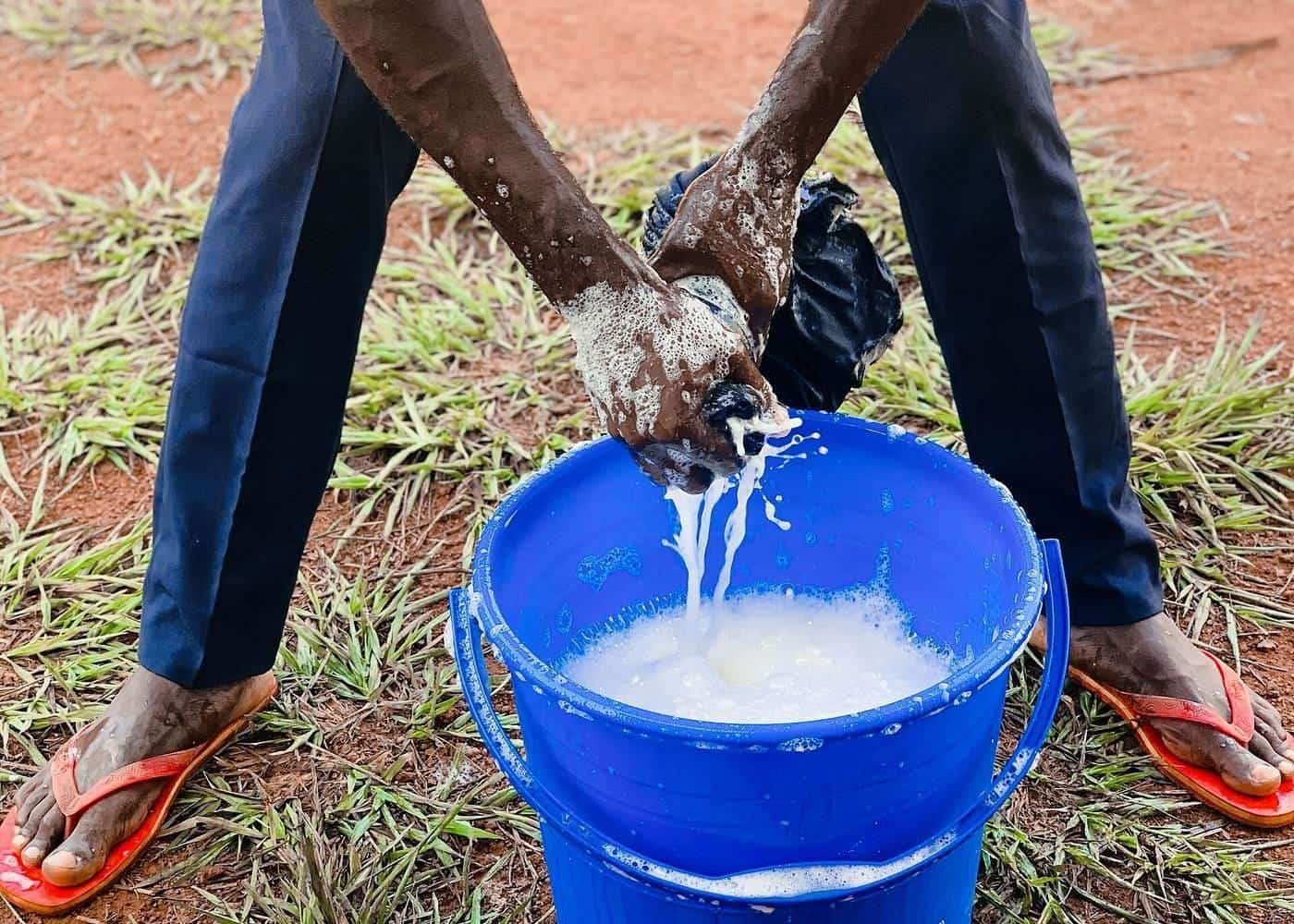
If the label allows hand washing:
- Use cool or lukewarm water, as the label directs.
- Add a small amount of mild detergent suitable for delicates or silk.
- Gently swish the kaftan; don't scrub, twist or wring.
- Rinse thoroughly in clean water of the same temperature.
- Press out water by rolling the kaftan in a clean towel.
Test for colour fastness first on a hidden seam if you're unsure, since some silks bleed dye.
Drying
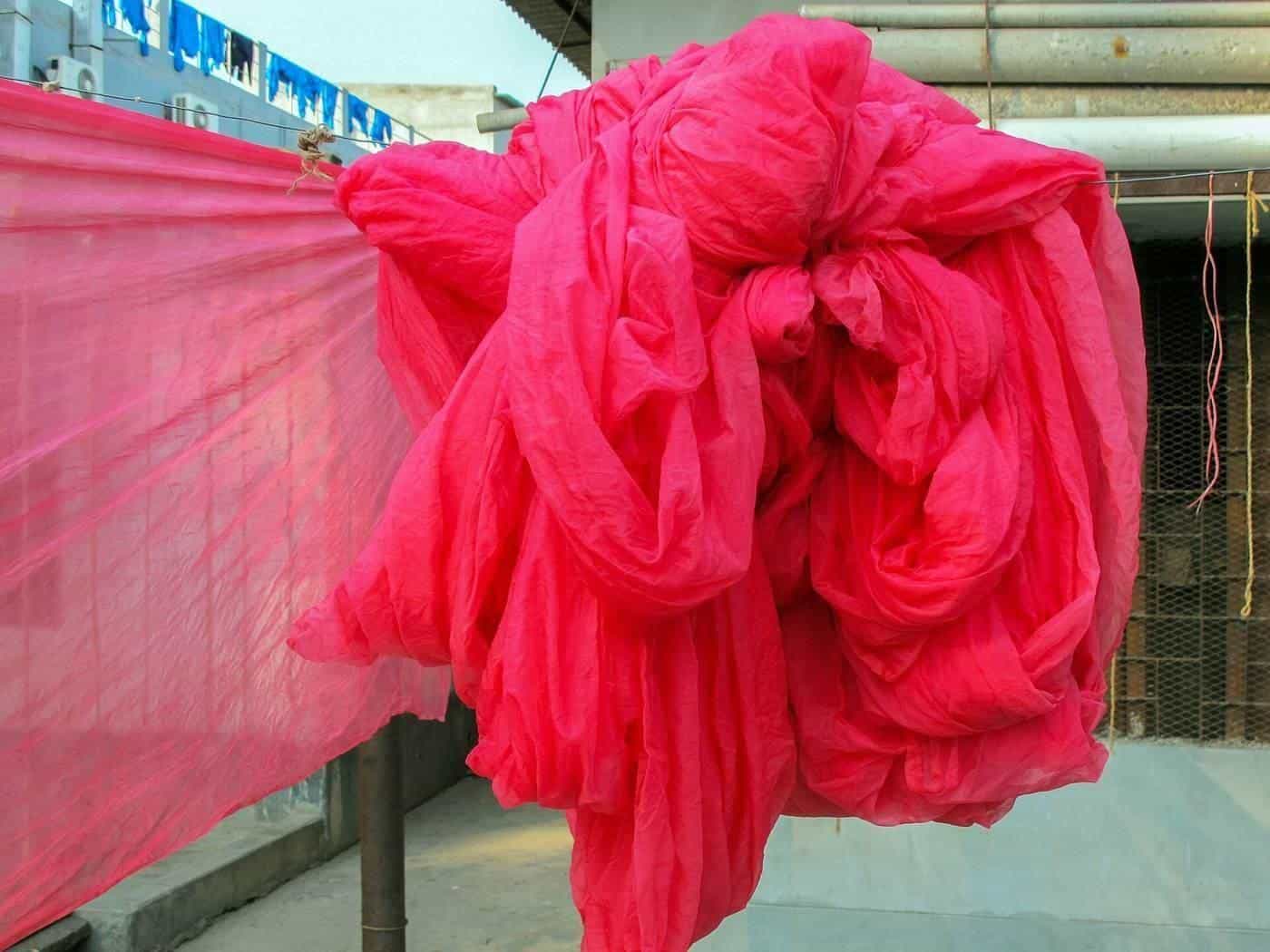
Dry silk away from direct sunlight and heat, which can fade colour and weaken fibres. Lay it flat on a towel or hang it on a padded hanger in the shade. Avoid the dryer unless the label specifically allows it.
Ironing and steaming
Iron silk on a low setting, on the reverse side or with a pressing cloth, while slightly damp if the label allows. A handheld steamer is a gentle alternative for releasing creases. Avoid spraying water directly on silk, which can leave water marks on some fabrics.
Beaded, sequinned and embroidered kaftans
Embellishments can catch, snag or fall off in a washing machine. Many embellished kaftans are labelled hand wash or dry clean. If hand washing is allowed, turn the garment inside out and handle gently. Never wring. Check for loose beads or threads before and after washing, and repair them promptly so they don't unravel.
Chiffon and georgette
These light, sheer fabrics may be silk or polyester. Polyester chiffon is often more forgiving, but still benefits from gentle washing in a mesh bag if the label allows machine washing. Silk chiffon generally needs hand washing or dry cleaning.
Perspiration, deodorant and perfume
Perspiration, deodorant and perfume can mark silk. Let deodorant dry fully before dressing, apply perfume before you put the kaftan on, and avoid spraying it directly onto the fabric. Air a kaftan after wearing, and wash or clean it as directed before storing.
Storage
Store delicate kaftans clean, in a cool, dry, dark place. Lightweight silk can hang on a padded hanger, ideally in a breathable cotton garment bag. Heavily beaded pieces are often stored folded flat with acid-free tissue between the folds, because the weight of beads can stretch fabric on a hanger. Avoid plastic dry-cleaning bags for long-term storage, as they can trap moisture.
When to see a professional
For stains on silk, delicate antique pieces or garments labelled dry clean only, a professional cleaner is the safest choice. Point out any stains and tell them what caused them, if you know.
Silk and water marks
Some silks can show water spots if splashed. If this happens, follow the care label: some pieces can be gently rinsed all over so they dry evenly, while others need professional cleaning. Avoid rubbing a damp spot, which can damage the fibres.
Keeping colours bright
Silk dyes can fade in sunlight and react to some detergents. Use a mild, delicates detergent, keep washing water cool, dry in the shade and store away from windows.
Travel with delicate kaftans
Pack delicate pieces folded with tissue, near the top of your bag, in a cotton bag. Hang them as soon as you arrive and let steam from a shower relax creases.
Use the kaftan finder
Our free kaftan finder suggests fabric, length, neckline and care based on the occasion, your climate and how much care you're happy to give a garment. It also flags when to look for a UPF rating if you'll be in strong sun. It runs entirely in your browser, and nothing you choose is sent anywhere. Use it as a starting point before you shop, and always check the product's own details and care label.
Where our information comes from
Factual statements in our guides are based on official and expert sources, including ACCC Product Safety and the Federal Register of Legislation for care labelling, ARPANSA for sun protective clothing, the ACCC for consumer rights, Scamwatch for online shopping safety, and museum and encyclopaedia sources for history. We list them at the end of each page. Styling and care tips are general and written in our own words. Rules change, so check the sources before relying on any detail.
A good kaftan in one sentence
A good kaftan suits where you'll wear it, is made from a fabric that matches your climate and care routine, hangs well at your height, and makes you feel comfortable and like yourself. Everything else in this guide supports those few goals.
Questions to ask before you buy
Before buying any kaftan, ask yourself: where will I wear it, how often, what will I wear with it, how will I wash it, and does it fit my height and shape? Answering honestly helps avoid kaftans that sit unworn in the wardrobe. It also makes it easier to compare options and to spend wisely, whatever your budget.
Understanding care symbols
The five basic care symbols are a washtub for washing, a triangle for bleaching, a square for drying, an iron for ironing and a circle for professional care such as dry cleaning. Dots usually show temperature or heat, lines under a symbol suggest a gentler process, and a cross means "don't". ACCC Product Safety explains that Australian care labels may use English words, these symbols, or both. Learning them takes a few minutes and protects your favourite pieces.
Comfort in Australian summers
Much of Australia has long, hot summers, and humidity in the north can be high. Loose garments let air move around the body, which many people find more comfortable in the heat than fitted clothes. Breathable fabrics such as cotton, linen and rayon tend to feel cooler than heavy synthetics. In hot, humid places, quick-drying fabrics and loose weaves help. Wherever you are, sun protection still matters when you're outdoors.
Buying gifts
Kaftans make popular gifts because many styles fit a range of sizes. Even so, check the length and width measurements, choose a fabric that suits the recipient's climate and lifestyle, and keep the receipt. Remember that change-of-mind returns depend on the store's policy, so check it before you buy.
Keeping your kaftans organised
Store kaftans where you can see them, so you remember to wear them. Lightweight pieces hang well on slim or padded hangers; heavy, beaded pieces are better folded. Group them by occasion, such as beach, day and evening, so getting dressed is quick. At the end of summer, wash and store them properly so they're ready for next season.
Supporting makers
Many kaftans are made by small designers and artisans using traditional techniques such as block printing, embroidery and hand weaving. If you value these skills, look for sellers who explain who made a garment, where and how. Clear descriptions are a good sign of a seller who cares about their products.
Key points
- Follow the care label; dry clean only means dry clean only.
- Hand wash silk gently in cool water and never wring it.
- Dry and store silk away from sun and heat.
- Store heavily beaded kaftans folded flat with acid-free tissue.
Frequently asked questions
Can I machine wash a silk kaftan?
Only if the care label allows it. Many silk garments are labelled hand wash or dry clean only.
How do I dry silk?
Usually flat or hanging in the shade, away from direct sun and heat. Don't wring it.
How do I iron silk?
Use a low setting, iron on the reverse or with a pressing cloth, and follow the label.
How should I store beaded kaftans?
Many are stored folded flat with acid-free tissue, because heavy beading can stretch fabric on a hanger.
Sources and further reading
Facts on this page were checked against these primary and official sources. Conditions change — confirm before you travel or buy.
- Care labelling for clothing and textiles mandatory standard — ACCC Product Safety Australia
- Consumer Goods (Care Labelling) Information Standard 2023 — Federal Register of Legislation