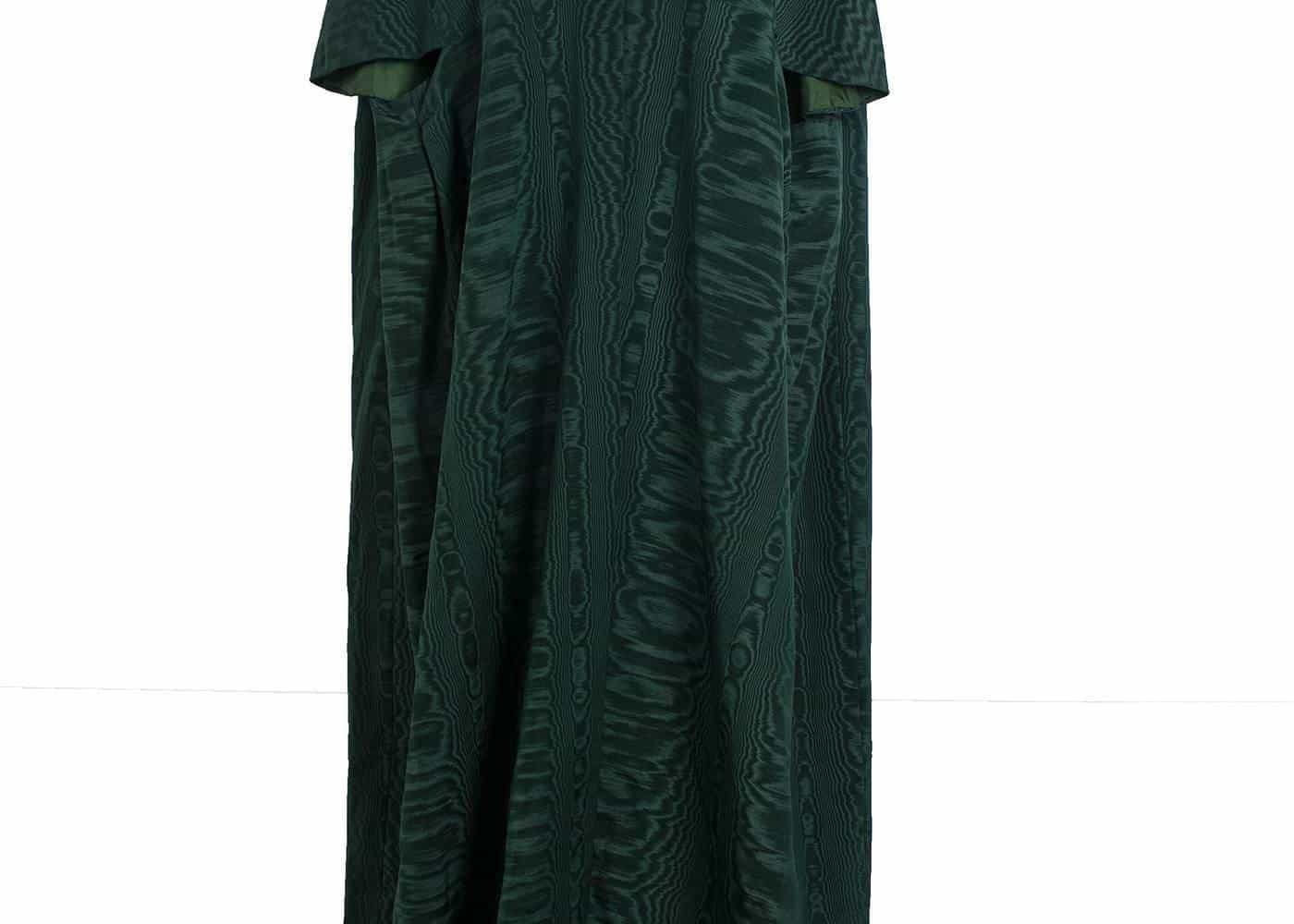
Kaftans are loose, usually long garments with a history stretching back thousands of years. Encyclopaedia Britannica describes the caftan as a full-length garment of ancient Mesopotamian origin, later worn throughout the Middle East, and museums such as the Victoria and Albert Museum hold richly woven silk kaftans from the Ottoman court. Today the word covers everything from a cotton beach cover-up to a beaded evening gown. These guides explain the main shapes and how to wear them.
The guides in this section
- Types of kaftans Classic, butterfly, tunic, wrap and belted shapes, plus lengths, necklines and sleeves.
- Kaftans for the beach and resort Quick-dry fabrics, length, sheerness and sun protection.
- Kaftans for parties and occasions Dress codes, dressy fabrics, colour and accessories.
- How to style a kaftan Belts, layers, shoes and accessories for every setting.
Shapes at a glance
| Shape | What it is | Good for |
|---|---|---|
| Classic straight | Long, straight cut with sleeves | Everyday, travel, lounging |
| Butterfly | Wide rectangle with wing-like sides | Resort, beach, home |
| Tunic or short | Hip to thigh length | With pants, shorts or swimwear |
| Wrap or open front | Robe-like layer | Layering, cover-up |
| Belted or tie waist | Built-in shaping | Polished day and evening looks |
Lengths and proportions
Kaftans come in mini, knee, midi and maxi lengths. Knee lengths are practical on sand; maxi lengths look elegant for evenings. If you're petite, check listed lengths, since a maxi designed for a taller model may drag. Defined waists and V-necks help balance long, loose shapes. If you're tall, look for actual length measurements rather than relying on the word "maxi".
Dressing a kaftan up or down
The same kaftan can change mood with a few swaps. Flat sandals, a straw hat and a woven bag feel relaxed. A slim metallic belt, statement earrings and heeled sandals feel festive. A denim jacket or fine knit layered over the top carries a kaftan into cooler months.
Colour and print
Prints hide creases and sand, which makes them popular for beach and travel. Plain colours look polished and carry bold jewellery. For weddings, many guests avoid white or ivory so as not to compete with the couple. For cultural events, ask hosts about any colour conventions.
Respecting traditions
Kaftans and similar robes have deep roots in North Africa, the Middle East, Central Asia and beyond, often with regional names and meanings. Many people enjoy learning about those traditions and buying from makers who describe their work honestly. If you're attending a cultural celebration, ask your hosts what's appropriate.
Sun and the beach
A kaftan can cover skin at the beach, but sheer fabrics let UV through. ARPANSA explains that UPF ratings show how much ultraviolet radiation a fabric blocks, and that UPF 50+ is excellent protection under the Australian/New Zealand standard. Our sun protection guide explains more.
Comfort first
Whatever the style, a kaftan should let you sit, walk and lift your arms freely, and feel comfortable through a long, warm day. If a style looks beautiful but needs constant adjusting, it's unlikely to become a favourite.
Building a small kaftan wardrobe
Most people only need a few kaftans to cover the warm months. A short or knee-length cover-up handles the beach and pool. A versatile midi in a plain colour or subtle print works for lunches, markets, travel and relaxed workplaces, belted or loose. A dressier maxi in silk, satin, crepe or an embroidered fabric covers weddings, parties and dinners. Choose colours that work with shoes, belts and bags you already own, and each kaftan can be styled several ways. Adding pieces slowly, as you learn what you actually reach for, avoids a wardrobe full of kaftans that rarely leave the hanger.
Kaftans for everyone
Kaftans suit a wide range of ages, sizes and bodies, and men's kaftans and similar long shirts are traditional in many cultures. Their loose cut can also suit people who find fitted clothes uncomfortable, including during pregnancy or for sensory reasons. Choose the shape and length that feel right for you rather than following rules about who should wear what.
Five habits for kaftans you will love
- Start with where you will wear it, then choose shape and fabric.
- Match fabric to your climate and to the care you are happy to give.
- Check the measurements, especially length, not just the size label.
- Read the care label before you buy and before you wash.
- Look for a UPF rating if sun protection matters.
About these guides
Kaftan Dresses is an independent information site about choosing, styling and caring for kaftans in Australia. We aren't a shop, fashion label, designer or retailer, and we don't recommend particular businesses. Our guides are general information written in our own words, with official and expert sources listed on each page. We never invent prices, statistics, quotes or reviews.
How we keep these guides current
We review each guide against its sources and show the date it was last checked. Standards and consumer rules change from time to time. If you notice something out of date, please tell us through our contact page, and we'll check and correct it.
Use the kaftan finder
Our free kaftan finder suggests fabric, length, neckline and care based on the occasion, your climate and how much care you want to give. It runs entirely in your browser, and nothing you choose is sent anywhere.
Guides in this section
Styles
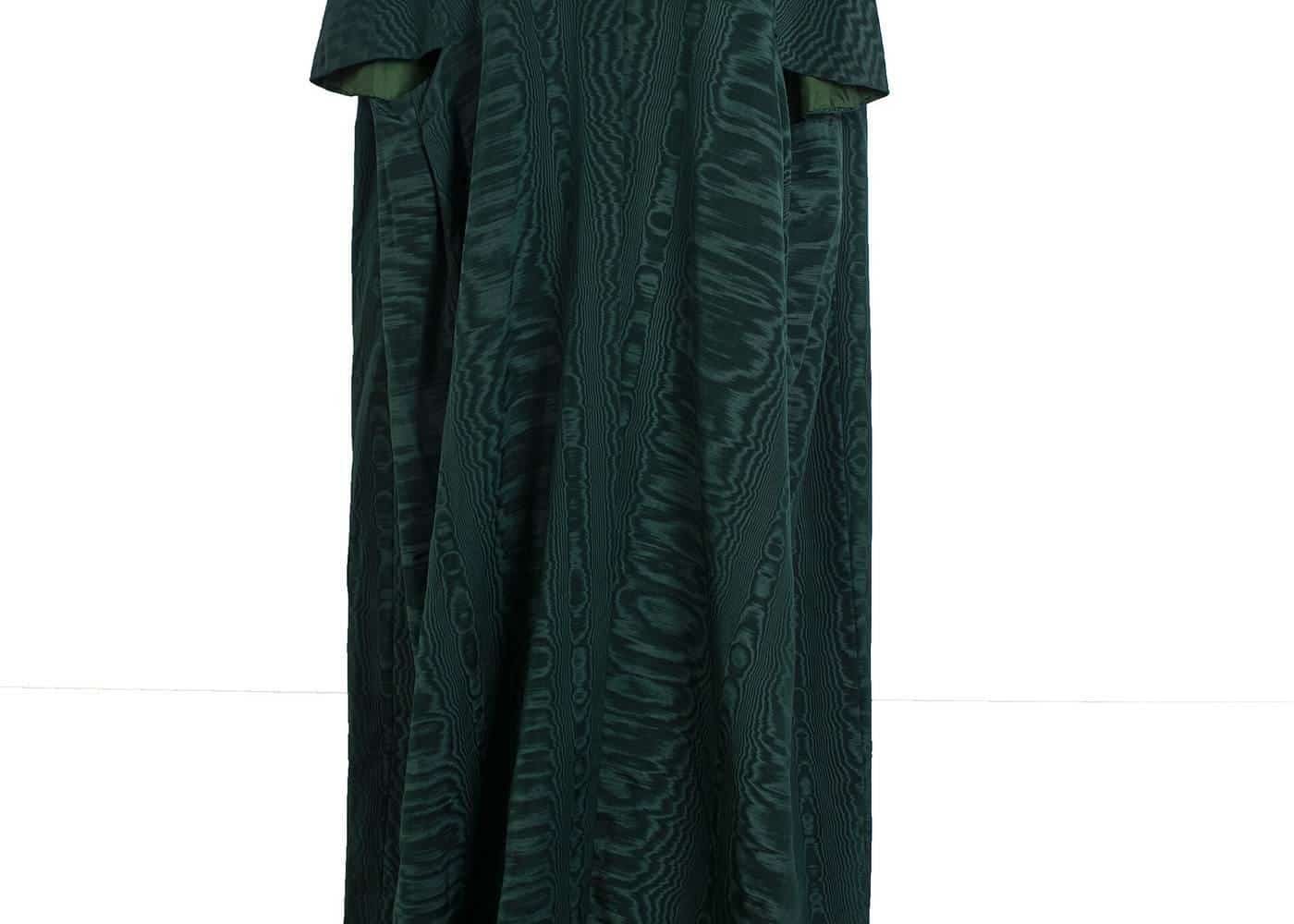
Types of kaftans
A plain-language guide to kaftan styles: classic, butterfly, tunic, wrap and belted shapes, plus lengths, necklines and sleeves.
Read · 6 min
Styles
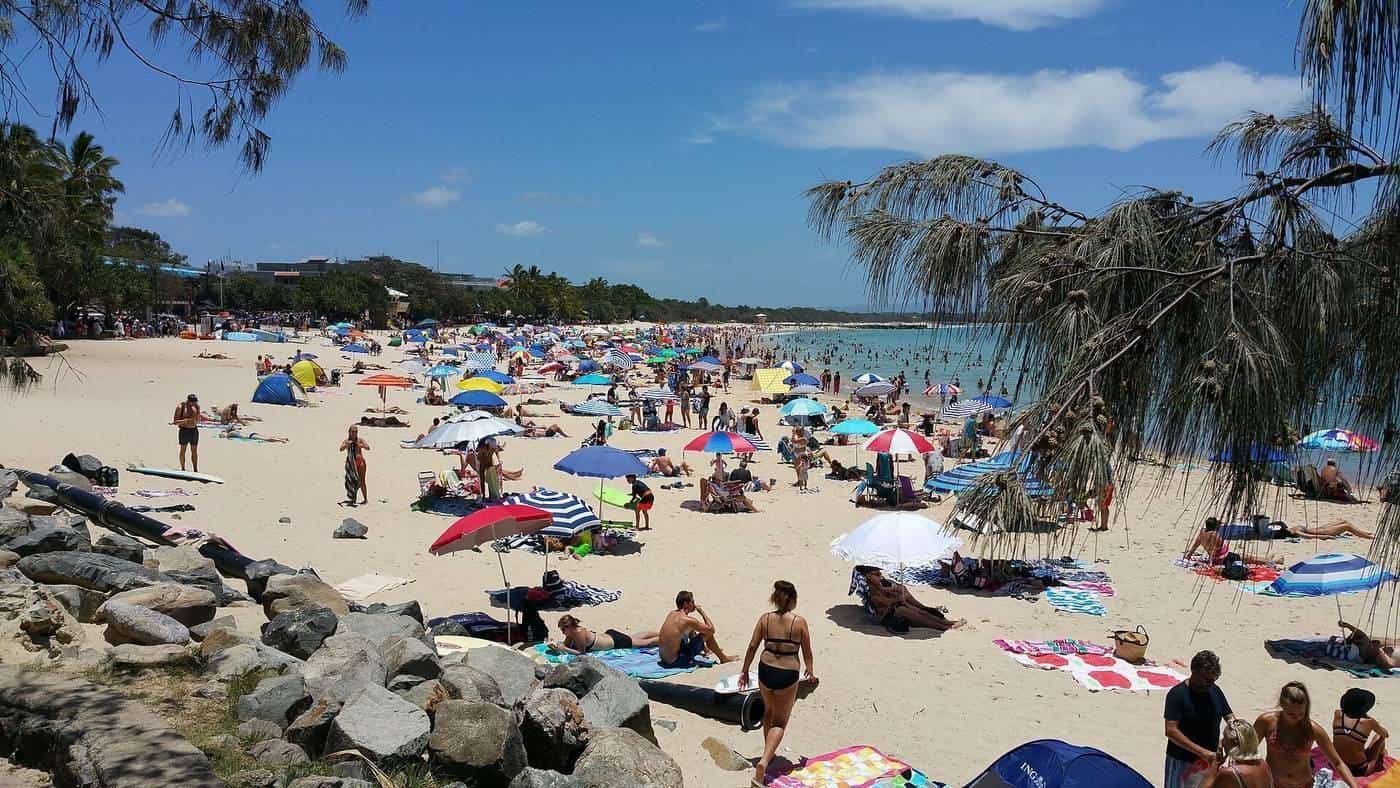
Kaftans for the beach and resort
How to choose a beach kaftan or cover-up: quick-dry fabrics, length, sheer vs opaque, sun protection, rinsing off salt and packing.
Read · 6 min
Styles
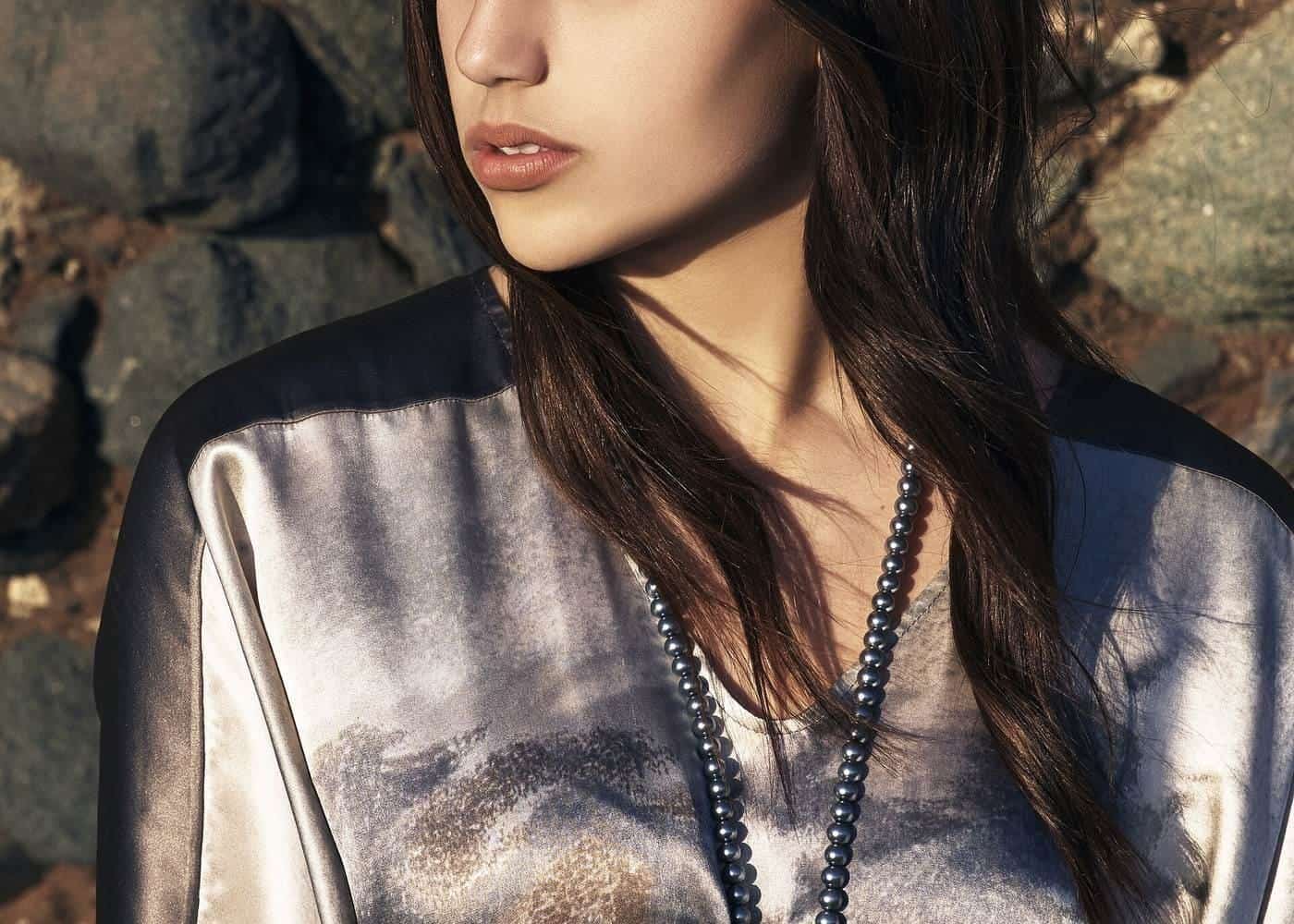
Kaftans for parties and occasions
How to wear a kaftan to weddings, parties, festive gatherings and events: fabrics, embellishment, accessories, dress codes and comfort.
Read · 6 min
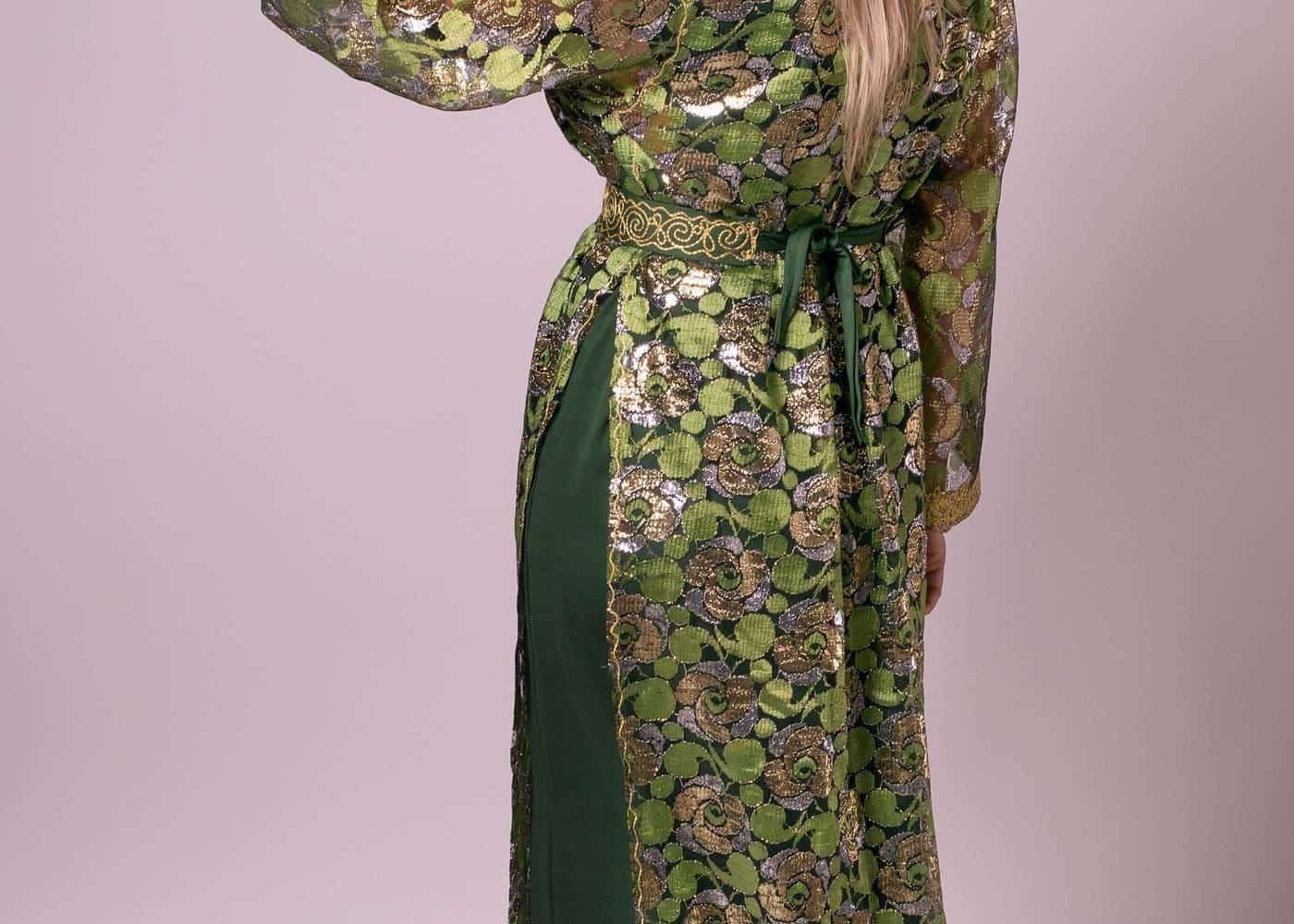
Styles
How to style a kaftan
Practical ways to style a kaftan for everyday, work, travel and evenings: belting, layering, footwear, accessories and proportions.
Read · 6 min
Frequently asked questions
What is the most versatile kaftan?
A midi-length kaftan in a plain or subtle print, with a tie or belt, can work for beach, day and casual evenings.
Can kaftans be formal?
Yes. Maxi kaftans in silk, satin, crepe or embroidered fabrics can suit weddings and evening events.
How do I add shape to a kaftan?
Use a belt or tie at the waist, or choose a style with a defined neckline.
Where does the kaftan come from?
Britannica describes the caftan as a garment of ancient Mesopotamian origin, later worn throughout the Middle East.
Sources and further reading
Facts on this page were checked against these primary and official sources. Conditions change — confirm before you travel or buy.
- Caftan — Encyclopaedia Britannica
- Kaftan (Ottoman, 16th century) — Victoria and Albert Museum
- Australian sun protective clothing — ARPANSA