Kaftans have been fashionable in many eras, so there are plenty of beautiful pieces already in circulation. Buying second-hand, choosing durable pieces and caring for them well are practical ways to enjoy kaftans while reducing waste.
This guide is general information written in our own words. We don't recommend particular shops, labels or products, and we never quote prices: they vary widely, so compare for yourself.
Why second-hand
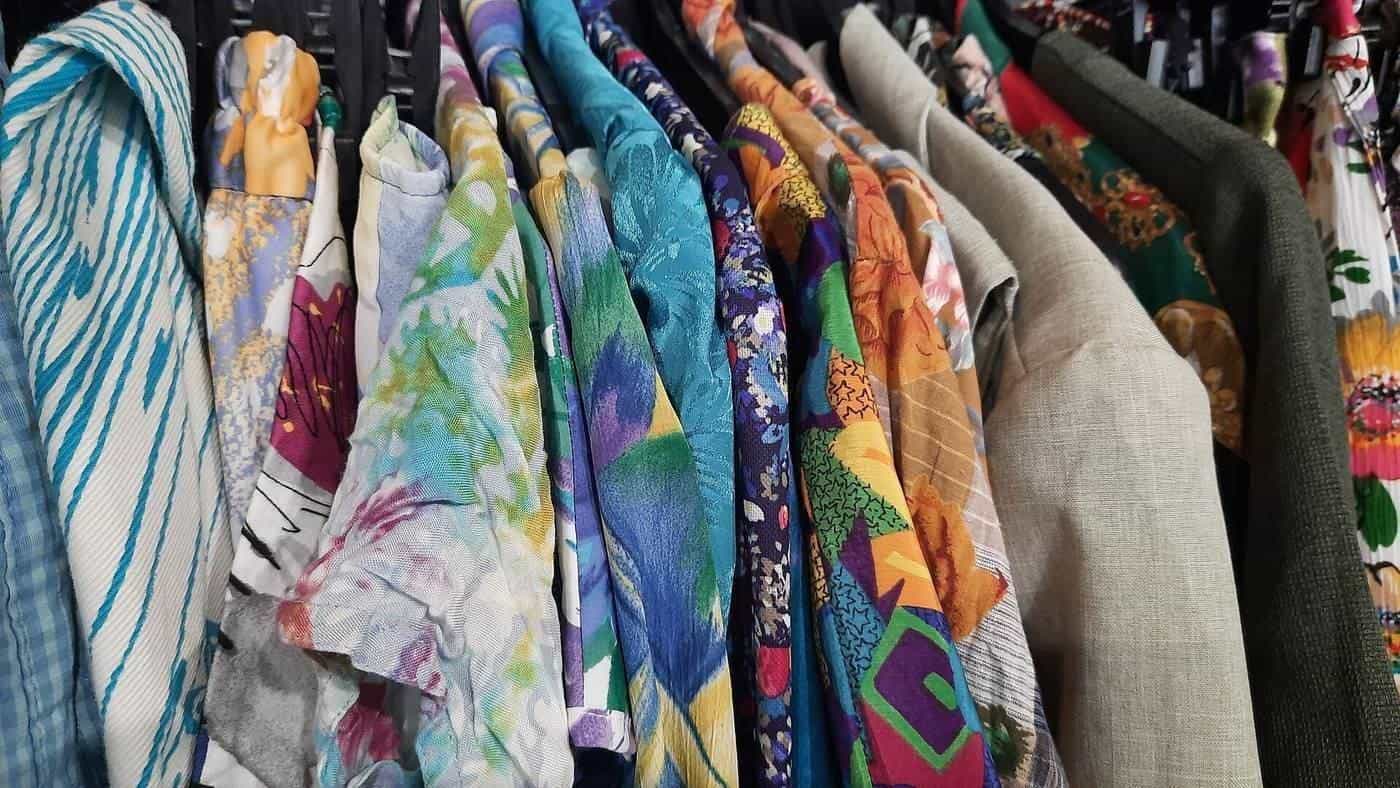
Every garment already made has used water, energy and materials. Wearing it longer, or giving it a second life, makes the most of those resources. Second-hand shopping also turns up unique prints and vintage styles you won't find new.
Where to look
- Op shops and charity stores.
- Vintage and consignment stores.
- Markets and swap events.
- Online resale platforms and community marketplaces.
Checking condition
Inspect second-hand kaftans carefully, especially online:
- Stains, particularly at the underarms, neckline and hem.
- Holes, snags and thinning fabric.
- Seams that are pulling apart.
- Missing beads, sequins or tassels.
- Fading on the shoulders from sun exposure.
- Odours, including mustiness.
Ask online sellers for close-up photos and measurements. Small issues, such as a loose bead or a dropped hem, are often easy to fix.
Care labels on older pieces
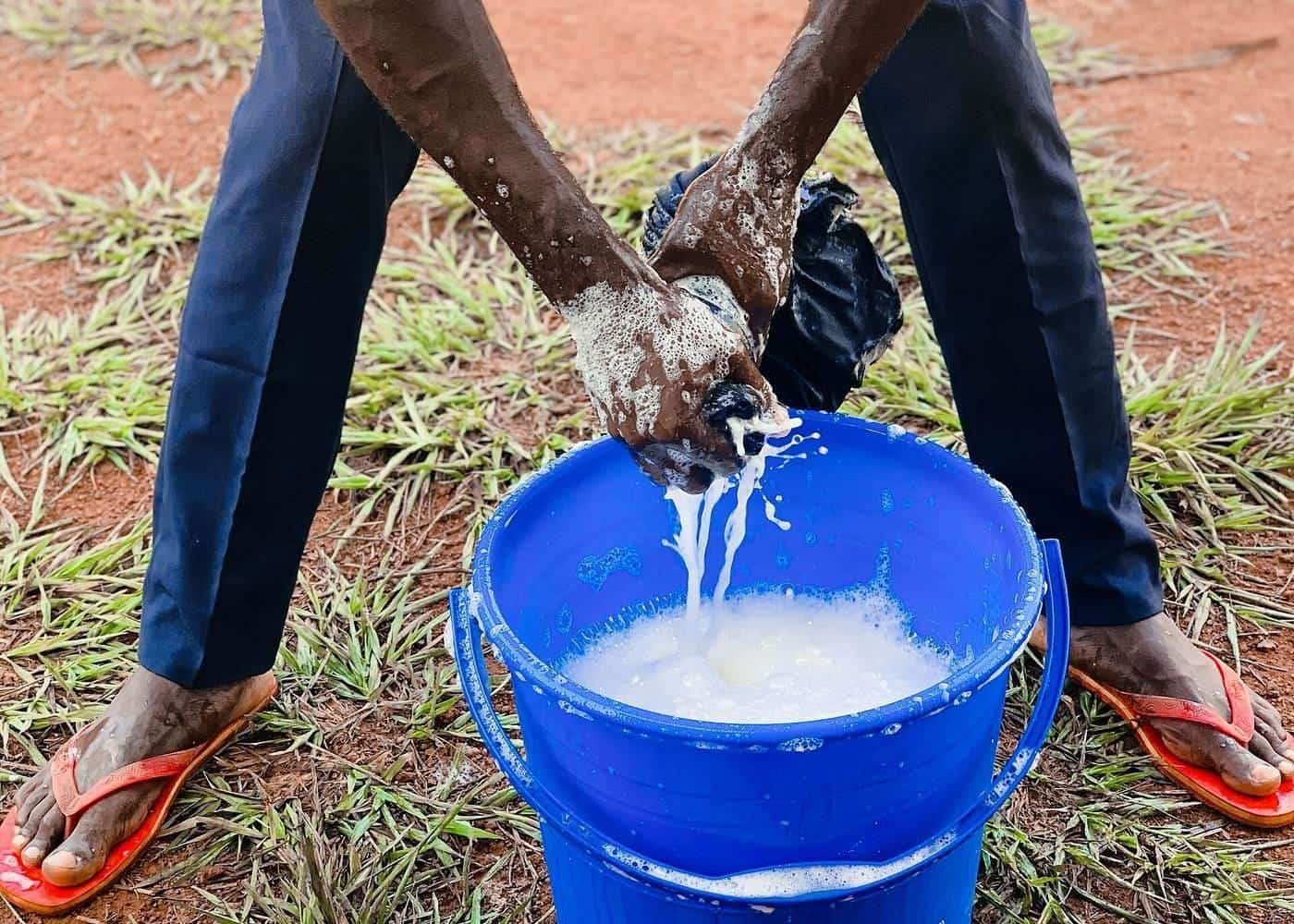
Older or handmade kaftans may not have a care label, or the label may have faded. When in doubt, treat the garment gently: hand wash in cool water with mild detergent, or take it to a professional cleaner if it's silk or heavily embellished. Test colour fastness on a hidden seam.
Choosing new pieces that last
When buying new, consider:
- Construction: neat, secure seams and hems.
- Fabric quality: fabric that feels substantial for its type and isn't pilling in the store.
- Versatility: a kaftan you'll wear often, in many settings.
- Care: a care routine you'll actually follow.
Buying fewer, better-loved pieces often reduces waste more than any single fibre choice.
Make kaftans last longer
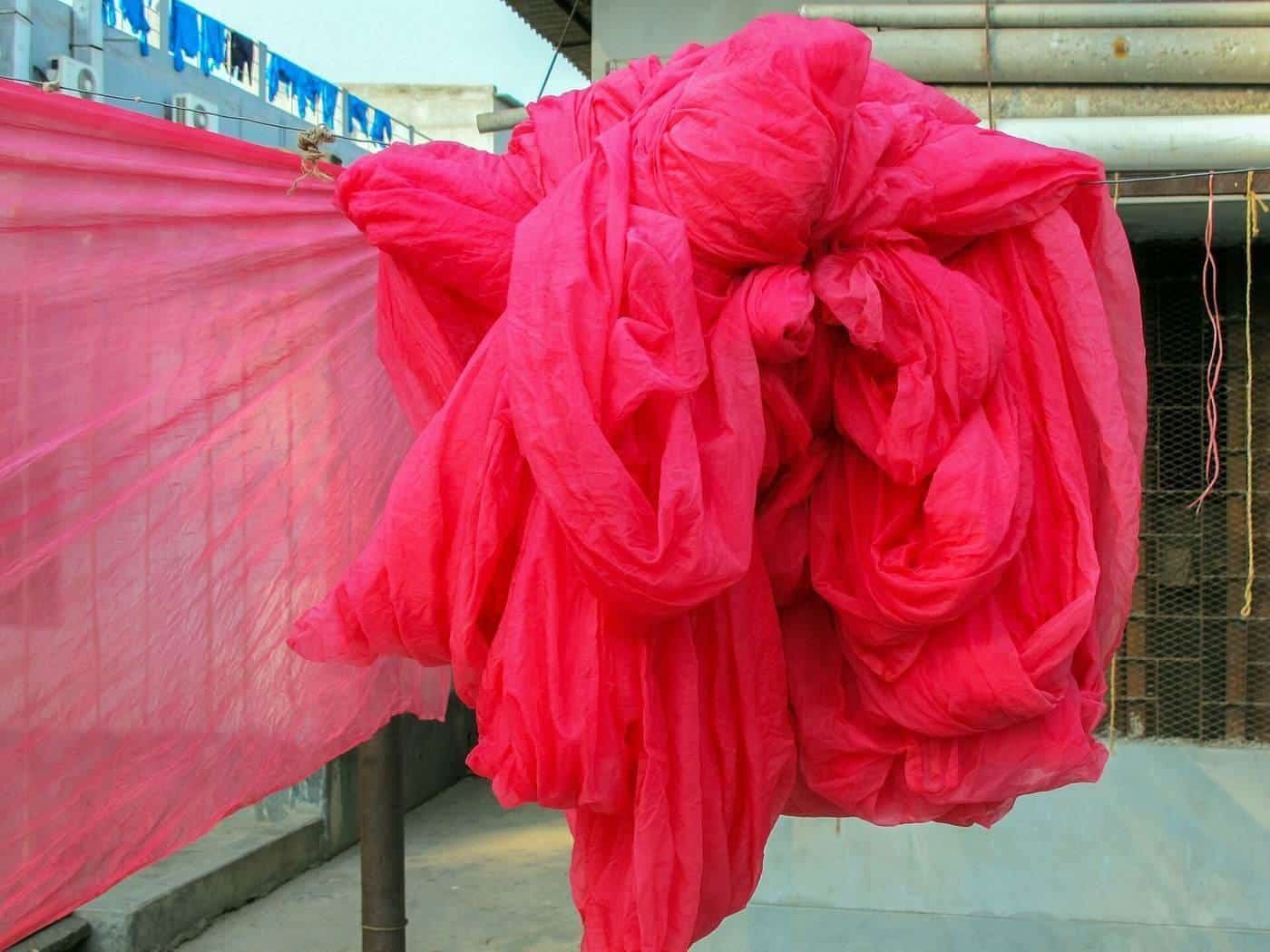
Wash only when needed, follow the care label, dry in the shade and store clothes clean. Repair small problems quickly. A well-cared-for kaftan can last many years.
Passing them on
When you're done with a kaftan, swap it with friends, sell it, or donate it in clean, good condition. Damaged pieces can be repurposed into scarves, cushion covers or bags if you sew.
Consumer rights for second-hand goods
Consumer guarantees can also apply when you buy second-hand goods from a business, though the ACCC notes that what counts as acceptable quality takes into account the age and condition of the item. Private sales are treated differently, so inspect carefully and ask questions before buying from individuals.
Hosting a swap
Clothing swaps are a fun way to refresh a wardrobe without buying new. Invite friends to bring clean, good-condition clothes, set out a mirror and a place to try things on, and donate what is left. Kaftans are well suited to swaps because many styles fit a range of sizes.
Repairs worth doing
Re-stitching a seam, replacing a few beads, shortening a hem or adding a tie are simple repairs that extend a kaftan's life. A local tailor or alterations service can help if you don't sew.
Storing seasonal kaftans
Wash kaftans before storing them for winter, store them in a cool, dry, dark place, and avoid plastic bags that trap moisture.
Buying from op shops responsibly
Op shops rely on donations of clean, wearable clothing. When you donate, check pockets, wash items first and avoid donating damaged pieces they can't sell. When you buy, you support their work while giving clothes a second life.
Use the kaftan finder
Our free kaftan finder suggests fabric, length, neckline and care based on the occasion, your climate and how much care you're happy to give a garment. It also flags when to look for a UPF rating if you'll be in strong sun. It runs entirely in your browser, and nothing you choose is sent anywhere. Use it as a starting point before you shop, and always check the product's own details and care label.
Where our information comes from
Factual statements in our guides are based on official and expert sources, including ACCC Product Safety and the Federal Register of Legislation for care labelling, ARPANSA for sun protective clothing, the ACCC for consumer rights, Scamwatch for online shopping safety, and museum and encyclopaedia sources for history. We list them at the end of each page. Styling and care tips are general and written in our own words. Rules change, so check the sources before relying on any detail.
A good kaftan in one sentence
A good kaftan suits where you'll wear it, is made from a fabric that matches your climate and care routine, hangs well at your height, and makes you feel comfortable and like yourself. Everything else in this guide supports those few goals.
Questions to ask before you buy
Before buying any kaftan, ask yourself: where will I wear it, how often, what will I wear with it, how will I wash it, and does it fit my height and shape? Answering honestly helps avoid kaftans that sit unworn in the wardrobe. It also makes it easier to compare options and to spend wisely, whatever your budget.
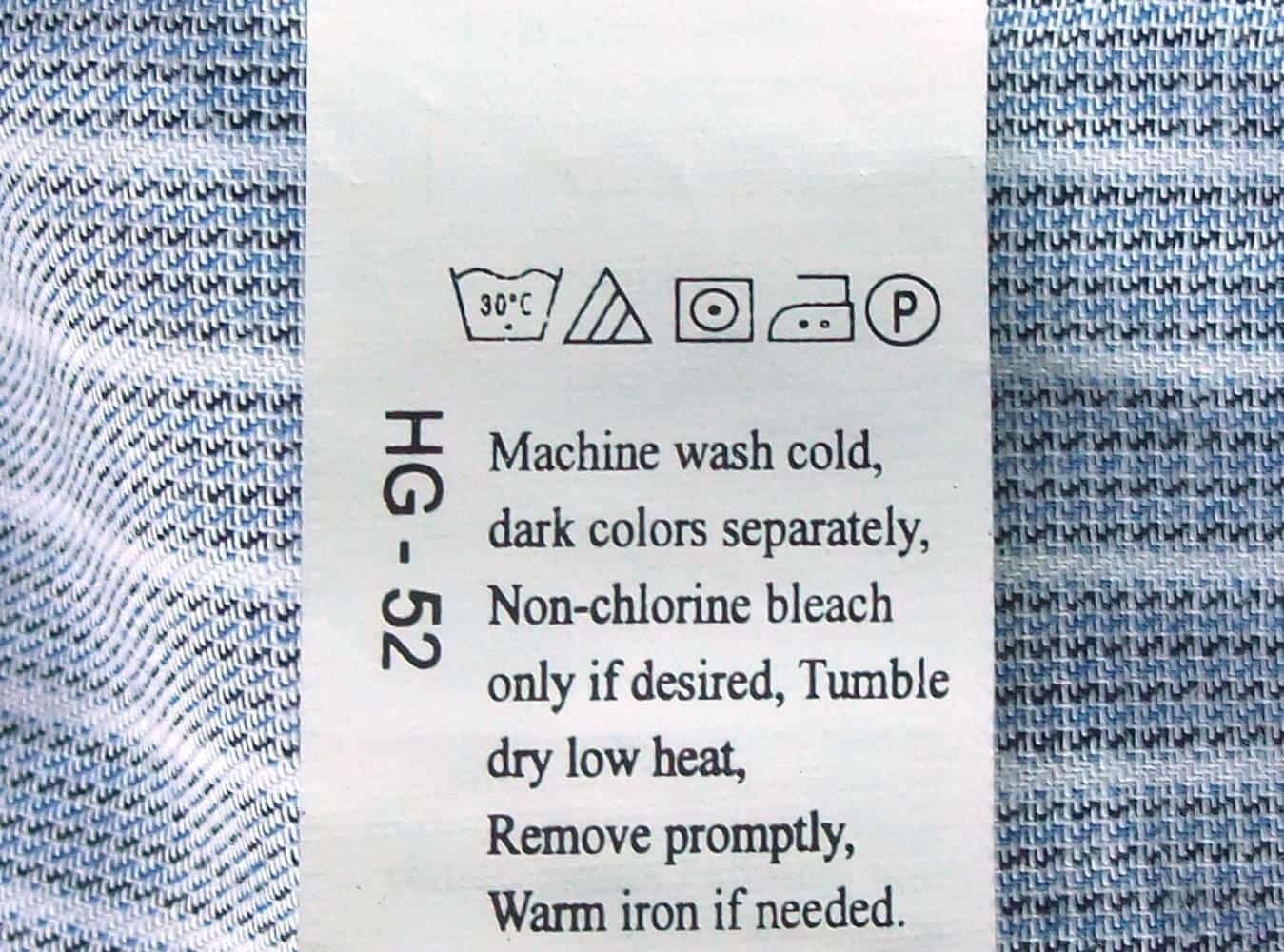
Understanding care symbols
The five basic care symbols are a washtub for washing, a triangle for bleaching, a square for drying, an iron for ironing and a circle for professional care such as dry cleaning. Dots usually show temperature or heat, lines under a symbol suggest a gentler process, and a cross means "don't". ACCC Product Safety explains that Australian care labels may use English words, these symbols, or both. Learning them takes a few minutes and protects your favourite pieces.
Comfort in Australian summers
Much of Australia has long, hot summers, and humidity in the north can be high. Loose garments let air move around the body, which many people find more comfortable in the heat than fitted clothes. Breathable fabrics such as cotton, linen and rayon tend to feel cooler than heavy synthetics. In hot, humid places, quick-drying fabrics and loose weaves help. Wherever you are, sun protection still matters when you're outdoors.
Buying gifts
Kaftans make popular gifts because many styles fit a range of sizes. Even so, check the length and width measurements, choose a fabric that suits the recipient's climate and lifestyle, and keep the receipt. Remember that change-of-mind returns depend on the store's policy, so check it before you buy.
Keeping your kaftans organised
Store kaftans where you can see them, so you remember to wear them. Lightweight pieces hang well on slim or padded hangers; heavy, beaded pieces are better folded. Group them by occasion, such as beach, day and evening, so getting dressed is quick. At the end of summer, wash and store them properly so they're ready for next season.
Supporting makers
Many kaftans are made by small designers and artisans using traditional techniques such as block printing, embroidery and hand weaving. If you value these skills, look for sellers who explain who made a garment, where and how. Clear descriptions are a good sign of a seller who cares about their products.
A note on accessibility
Kaftans can be a comfortable choice for people with limited mobility, sensory sensitivities or medical devices, because they are loose and easy to put on. Front-opening styles, soft necklines, and fabrics without scratchy trims can make dressing easier. Check measurements carefully if you use a wheelchair, as long hems can catch in wheels.
When to replace a kaftan
Kaftans are usually retired when fabric wears thin, colours fade badly or seams can no longer be repaired. Thin, faded fabric also tends to block less sun. Before you throw one away, consider whether it could be mended, swapped or repurposed.
Key points
- Second-hand shopping extends the life of existing garments.
- Inspect for stains, holes, fading and missing embellishments.
- Treat unlabelled older pieces gently.
- Wear, care, repair and pass on to reduce waste.
Frequently asked questions
Where can I find second-hand kaftans?
Op shops, vintage stores, markets and online resale platforms often have kaftans.
How do I check a vintage kaftan?
Look for stains, holes, weak seams, missing beads, odours and fading, especially at the underarms and hem.
Is natural fibre always more sustainable?
Not necessarily. Durability, care and how long you wear a garment matter a lot.
What should I do with kaftans I no longer wear?
Swap, sell, donate in good condition, or repurpose fabric.
Sources and further reading
Facts on this page were checked against these primary and official sources. Conditions change — confirm before you travel or buy.
- Care labelling for clothing and textiles mandatory standard — ACCC Product Safety Australia
- Repair, replace, refund, cancel — ACCC